
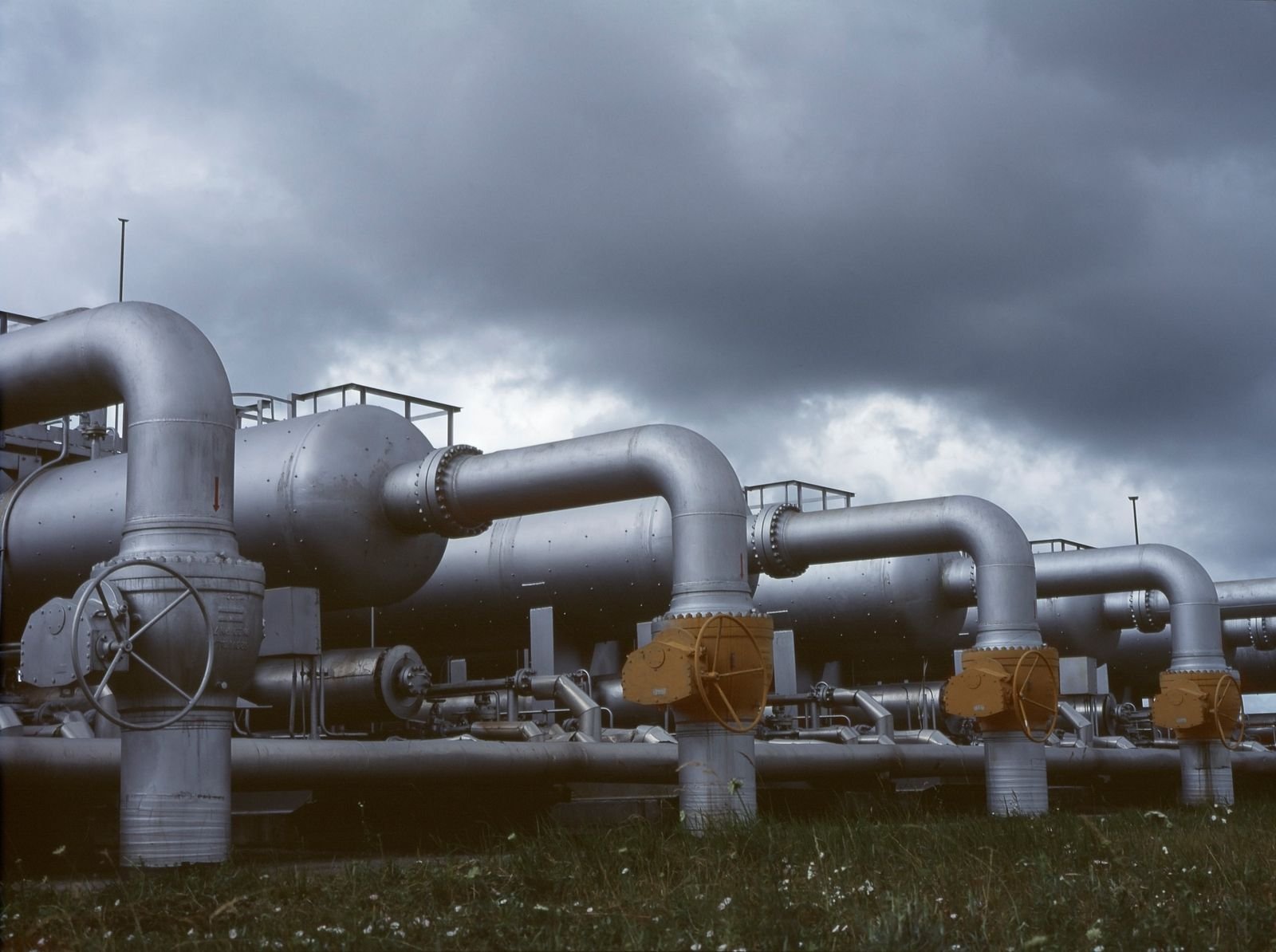
Medical Gas Pipeline Systems in Pakistan: HTM 02-01 Design Guide
By Tanveer Ahmed, CEO, Ahmed Construction Company (ACCO) · Updated · Reviewed by ACCO architects and engineers
Quick Answer
Medical gas pipeline systems in Pakistan: HTM 02-01 and NFPA 99 design, oxygen sources, medical air, vacuum, zone valves, alarms, testing and commissioning. Ahmed Construction Company (ACCO), based in Gulberg-III Lahore since 1998, provides hospital design & construction services with design drawings free on award of construction.
A hospital can survive a broken lift or a leaking roof for a day. It cannot survive a failure of its oxygen supply. Medical gas pipeline systems in Pakistan carry oxygen, medical air, nitrous oxide and vacuum from central plant rooms to every bed head, operation theatre and ICU bay, and they must work without interruption for the life of the building. This guide explains how a medical gas pipeline system (MGPS) is designed, built, tested and maintained to the UK Health Technical Memorandum HTM 02-01 or the American NFPA 99 code, and what hospital owners in Pakistan should check before they sign off a design or a contractor.
Medical Gas Pipeline Systems at a Glance
| What it is | A fixed, centrally supplied network that delivers medical gases and vacuum to terminal outlets at the point of care |
|---|---|
| Main services | Medical oxygen, medical air (4 bar), surgical air (7 bar), medical vacuum, nitrous oxide, and anaesthetic gas scavenging (AGSS) |
| Design standards | HTM 02-01 (UK) or NFPA 99 Health Care Facilities Code; ISO 7396-1 for pipeline systems; ISO 9170-1 for terminal units |
| Licensing context | Facilities are inspected by the Punjab Healthcare Commission or the relevant provincial regulator |
| Key safety features | Three independent supply sources for oxygen, area valve service units, plant and area alarms, gas-specific non-interchangeable outlets |
| Pricing | Priced through an itemised BOQ; see the hospital construction cost guide |
Why Medical Gas Engineering Deserves Special Attention
The COVID-19 pandemic showed hospitals around the world, including in Pakistan, how quickly oxygen demand can outgrow a pipeline that was sized for normal use. Wards that had been designed for occasional oxygen therapy suddenly had most beds on high-flow oxygen at the same time. Pressure dropped at the far ends of the network, and some hospitals had to ration supply.
That experience changed how owners and engineers think about medical gases. A well-designed MGPS is not a set of copper pipes added at the end of a project. It is a life-support system that has to be planned with the clinical brief, the structure, the HVAC and the electrical design from the first stage. It is also one of the services most closely checked during licensing inspections, so mistakes are expensive to fix after handover.
The Medical Gases a Hospital Pipeline Carries
Not every facility needs every gas. A day-care clinic may need only oxygen and vacuum, while a tertiary hospital with cardiac surgery needs the full set. The clinical brief decides which services go where.
Medical oxygen
The most critical gas. Supplied to wards, ICUs, emergency, theatres and recovery. Distributed at a nominal 4 bar under HTM 02-01.
Medical air (4 bar)
Used for ventilators, nebulisers and blending with oxygen. Produced by oil-free compressors with dryers and filters, or by a synthetic air plant.
Surgical air (7 bar)
Drives pneumatic surgical tools such as orthopaedic drills and saws. Provided only to theatres that need it.
Medical vacuum
Used for suction of fluids during surgery and patient care. Generated by duplex or triplex vacuum pumps with bacterial filters on the exhaust.
Nitrous oxide
An anaesthetic and analgesic gas, usually supplied from cylinder manifolds to theatres, labour rooms and some dental suites.
AGSS
Anaesthetic gas scavenging removes exhaled anaesthetic gases from theatres to protect staff.
HTM 02-01 vs NFPA 99: Which Standard to Follow
Pakistan does not have a national code written specifically for medical gas pipelines. Designers therefore follow an international standard, and the choice usually depends on the client, the consultant and any international funding or accreditation targets. What matters most is that one standard is chosen at the start and followed consistently, from design through testing.
| Aspect | HTM 02-01 (UK) | NFPA 99 (USA) |
|---|---|---|
| Typical use | Common in UK-linked, Commonwealth and many Middle East projects | Common where US accreditation or US-trained consultants are involved |
| Structure | Part A: design, installation, validation; Part B: operational management | Risk-category approach (Category 1 to 4) within a wider healthcare code |
| Pressure units | Bar / kPa | psig |
| Management roles | Defined roles such as Authorised Person (MGPS) and Competent Person | Verification by qualified, certified verifiers |
| Outlets | Gas-specific probe and socket systems to BS EN ISO 9170-1 | DISS or quick-connect gas-specific outlets |
Mixing standards, for example HTM pipe sizing with NFPA outlets bought separately, is a common source of problems. Equipment, testing procedures and documentation should all match.
Supply Sources and Plant Rooms
Oxygen supply: three independent sources
A core principle of HTM 02-01 is that oxygen must come from three independent sources, often described as primary, secondary and reserve (or emergency) supply. In Pakistan the common arrangements are:
- Liquid oxygen (VIE tank) as the primary source for medium and large hospitals, refilled by tanker.
- PSA oxygen generator plant as a primary or secondary source, especially where tanker supply is unreliable.
- Cylinder manifolds with automatic changeover as secondary or reserve supply.
Where PSA plants are used, the oxygen purity they produce and its suitability for each clinical use should be confirmed with the clinical team and the regulator. Space for tanker access, safety distances around liquid oxygen tanks and ventilation of manifold rooms must be shown on the site plan from the beginning.
Medical air and vacuum plant
Compressors and vacuum pumps are installed as duplex or multiplex sets, so the system keeps working when one unit fails or is being serviced. Air intakes must draw clean outdoor air away from vehicle exhausts, generator flues and vacuum discharges. Vacuum exhausts must discharge safely outside, away from windows and air intakes.
Power and resilience
All medical gas plant, alarms and controls must be on essential (generator-backed) supply. Given load-shedding in many parts of Pakistan, this is not optional. The electrical design should be coordinated with the MGPS design early.
Pipeline Design and Installation
Sizing and diversity
Pipe sizes are calculated from the number of outlets in each department, the expected flow at each outlet and a diversity factor that reflects how many will be used at the same time. After the pandemic, many owners now ask designers to allow extra capacity for surge conditions in ICUs and wards. Pressure drop to the furthest outlet must stay within the limits set by the chosen standard.
Materials and workmanship
- Medical-grade, degreased copper pipe and fittings, delivered capped and cleaned for oxygen service.
- Brazed joints made with an inert gas purge inside the pipe to prevent oxide scale.
- Pipes labelled with gas name and flow direction at regular intervals.
- Separation from electrical services and protection from heat and mechanical damage.
- Installation only by trained medical gas technicians, not general plumbers.
Valves, zones and terminal units
The network is divided into zones so that a fault in one area can be isolated without cutting supply to the whole hospital. Area valve service units (AVSUs) are placed at the entrance to each department, usually near the nurse station where staff can reach them quickly. Terminal outlets are mounted on bed-head trunking, ceiling pendants in theatres and ICUs, or wall panels, and they are gas-specific so that an oxygen hose cannot be plugged into an air or vacuum outlet.
Alarm and Monitoring Systems
Alarms tell staff that something is wrong before patients are affected. A typical MGPS has three levels:
- Plant alarms at the plant room for faults such as low cylinder bank, compressor failure or dryer fault.
- Central or emergency alarms at a continuously staffed location, such as the telephone exchange or security room.
- Area alarms in departments such as ICU and theatres, showing high or low pipeline pressure for each gas.
Modern systems can also send alarm signals to the building management system, so the engineering team sees faults on a central screen. Alarm locations should be agreed with the hospital’s operational team, not decided by the installer.
Testing, Commissioning and Handover
No MGPS should be put into clinical use until it has been fully tested and certified. Testing is detailed and must be witnessed and recorded.
Pressure and leak tests
Each section is pressure tested and checked for leakage before ceilings are closed.
Cross-connection tests
Every outlet is checked to confirm it delivers the correct gas and nothing else.
Purging and quality tests
Pipelines are purged and tested for particulates, moisture and gas identity and purity.
Performance and alarm tests
Flow and pressure at outlets are measured and every alarm is triggered and verified.
Documentation
As-built drawings, test certificates, operation manuals and a permit-to-work procedure are handed over.
After handover, the hospital needs a written operational policy for the MGPS, trained staff, and a planned maintenance contract for plant, valves and alarms.
Common Mistakes in Pakistani Hospital Projects
- Sizing the oxygen system only for normal demand, with no allowance for surge or future beds.
- Using non-medical copper pipe or brazing without an inert gas purge.
- Placing zone valves where staff cannot find or reach them in an emergency.
- Leaving tanker access and liquid oxygen tank safety distances out of the site plan.
- Buying outlets from one standard and alarms or pipe sizing from another.
- Opening wards before the system is tested and certified.
Medical gases are closely linked with ventilation and fire safety. Our guides to hospital HVAC and infection control and hospital fire safety design explain how these systems are coordinated.
Frequently Asked Questions
What is a medical gas pipeline system (MGPS)?
It is a fixed network of pipes, valves, alarms and outlets that delivers medical oxygen, medical air, vacuum and other gases from central plant to the point of patient care. It replaces the need to move cylinders around wards and theatres.
Is HTM 02-01 mandatory in Pakistan?
Pakistan has no national code written only for medical gases, so projects normally adopt HTM 02-01 or NFPA 99. Regulators and accreditation bodies expect the system to follow a recognised standard, so one should be chosen and documented at the design stage.
Should a hospital use liquid oxygen or a PSA plant?
It depends on the hospital’s size, its location and the reliability of tanker supply. Many hospitals combine sources, for example liquid oxygen as primary supply with cylinder manifolds as reserve. The choice should be made with the clinical team and the design engineer.
How many oxygen outlets does an ICU bed need?
ICU beds usually have more outlets than ward beds, typically multiple oxygen, air and vacuum points on a pendant or bed-head unit. The exact number is set by the chosen standard and the hospital’s clinical brief.
Can an existing hospital upgrade its medical gas system?
Yes. Upgrades often include adding a new oxygen source, resizing main lines, adding zone valves and replacing old alarms. Work must be phased and carried out under a permit-to-work system so patient areas stay supplied. See our hospital renovation services.
Who should install medical gas pipelines?
Only trained medical gas engineers and technicians working to the chosen standard, with independent testing and certification before use. General plumbing contractors should not install medical gases.
Conclusion
A medical gas pipeline system is one of the few building services that directly keeps patients alive. In Pakistan, where power cuts, supply disruptions and rapid demand changes are real risks, the MGPS needs resilient sources, careful sizing, clear zoning and rigorous testing. Choosing one standard, HTM 02-01 or NFPA 99, and following it from concept to handover is the surest way to a safe system. ACCO designs and builds medical gas systems as part of its hospital design and construction services, with every system priced through an itemised BOQ.
Related articles
Contact ACCO
- +92 322 8000190
- info@acco.com.pk
- Office 2, 3rd Floor, Bigcity Plaza, Gulberg-III, Lahore
Planning a Project with ACCO?
Architecture, engineering and construction from one Lahore team since 1998. Design drawings are free when ACCO is awarded the construction.
Discuss Your ProjectWhatsApp +92 322 8000190