Hospital Medical Gas Pipeline Systems (MGPS): HTM 02-01 Engineering Standards | ACCO
In hospital engineering, few systems carry as immediate a life-or-death responsibility as the Medical Gas Pipeline System (MGPS). Providing continuous, uninterrupted deliveries of medical oxygen, medical nitrous oxide, high-pressure surgical air, and medical vacuum directly to patient bedsides, operating theaters, and critical care units, the MGPS functions as the physical respiratory system of a healthcare facility. A single contamination failure or pressure drop can lead to tragic patient outcomes.
n
In Pakistan, under modern Punjab Healthcare Commission (PHC) licensing and international hospital standards, medical gas engineering must strictly comply with Health Technical Memorandum (HTM 02-01) or NFPA 99 standards. In this guide, ACCO provides a comprehensive electro-mechanical overview of hospital medical gas pipeline design, sizing, and safety installation.
n
1. The Four Critical Medical Gas Services
n
A standard general hospital pipeline network comprises four core physiological gas networks, each operating under strict pressure and purity thresholds:
n
- n
- Medical Oxygen ($O_2$): Delivered at a continuous working pressure of 4.0 to 4.2 bar (approx. 60 psi) to general wards, intensive care, and anesthesia machines. Sourced via high-pressure cylinder manifolds or bulk Liquid Medical Oxygen (LMO) cryogenic tanks.
- Medical Nitrous Oxide ($N_2O$): Anesthetic gas delivered at 4.0 bar, utilized in operating suites and dental surgical rooms.
- Medical Air (4-Bar & 7-Bar): Supplied by redundant, oil-free duplex compressor plants equipped with desiccant dryers, carbon filters, and sterile bacterial filters. 4-bar air powers patient mechanical ventilators; 7-bar surgical air powers pneumatic bone drills and surgical tools.
- Medical Vacuum: Essential for clearing blood, bodily secretions, and airway fluids during surgery. Operates at a constant negative pressure of -60 kPa to -70 kPa, powered by multi-stage liquid-ring or rotary-vane vacuum pumps discharging through duplex bacterial exhaust filters.
n
n
n
n
n
2. Manifold Plant Room Design & Redundancy Engineering
n
HTM 02-01 mandates strict three-tier redundancy for all life-support gas systems, ensuring zero supply interruption even during catastrophic primary failure:
n
- n
- Primary Source: Primary automatic manifold bank or cryogenic vacuum-insulated evaporator (VIE) tank supplying daily baseline clinical demand.
- Secondary Source: Standby cylinder manifold with automatic changeover valves that trigger instantaneously upon primary pressure drops without pressure fluctuations.
- Emergency Reserve Manifold (ERM): A completely separate, physically isolated emergency cylinder bank tied directly downstream of main building isolation valves to maintain life-support gases during structural fires or central pipeline ruptures.
- Ventilation & Safety Clearances: Manifold plant rooms must be located at ground level with direct vehicular truck access for heavy cylinder offloading, natural cross-ventilation (minimum 10 air changes per hour), and ATEX-rated explosion-proof electrical fittings.
n
n
n
n
n
Explore our specialized mechanical and electro-mechanical engineering services on our MEP engineering page.
n
3. Piping Materials, Degreasing & Installation Standards
n
Standard plumbing or HVAC copper pipe must never be used for medical gases. Hydrocarbon oils in standard pipes can ignite catastrophically upon contact with high-pressure pure oxygen:
n
- n
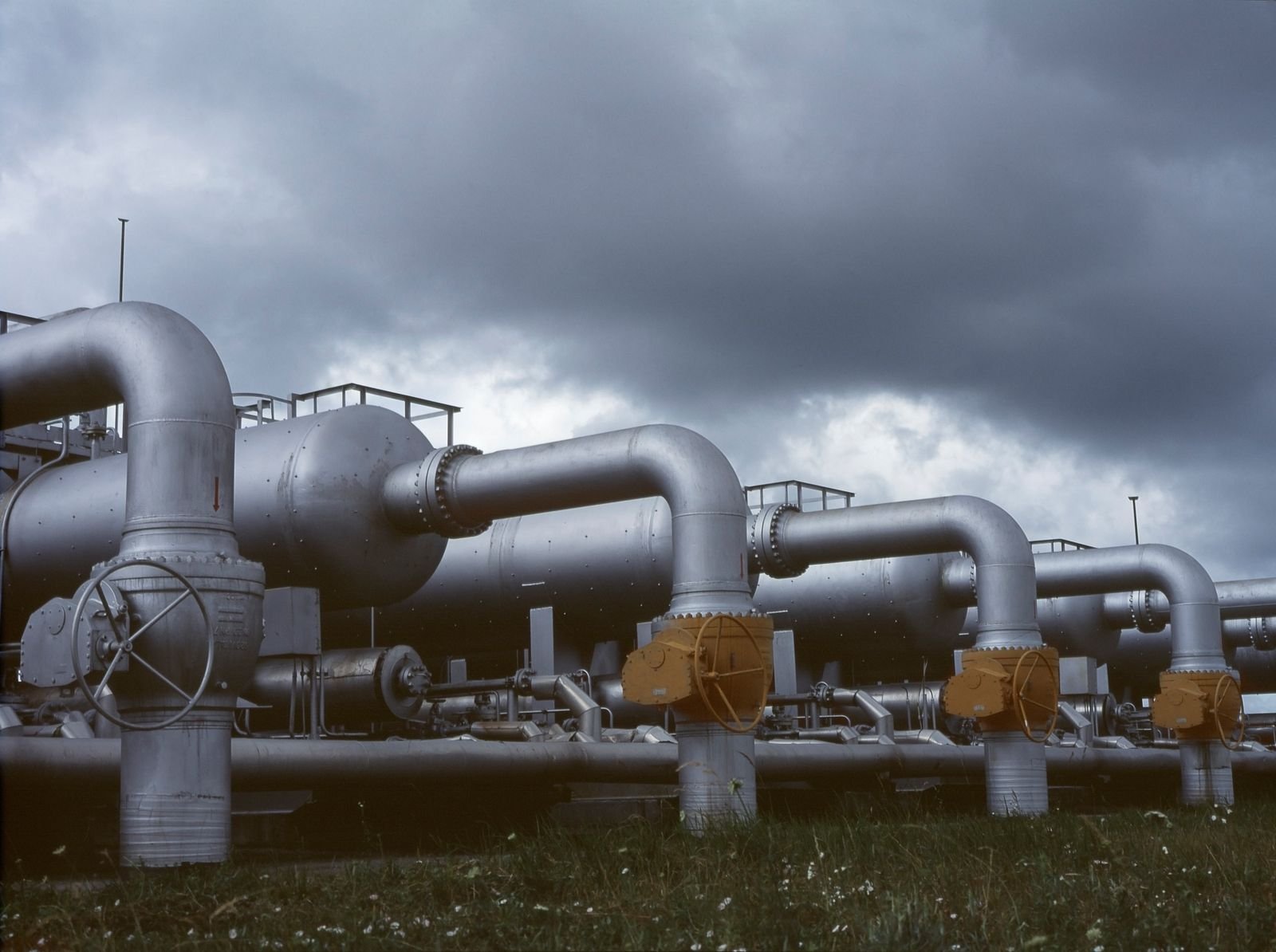
- Phosphorus-Deoxidized Seamless Copper: Manufactured strictly to EN 13348 or ASTM B819 standards, pre-degreased, factory-cleaned, and sealed with end caps.
- Inert Gas Purging During Brazing: All pipe joints must be brazed using silver-copper phosphorus alloy while continuously purging the pipe interior with oxygen-free nitrogen ($N_2$). This prevents the formation of internal copper oxide flakes that could later enter clinical ventilator valves.
- Area Valve Service Units (AVSUs): Break-glass emergency shut-off valves installed outside every clinical ward and operating theater, allowing nursing staff or firefighters to isolate individual zones during emergencies without shutting down the entire hospital.
n
n
n
n
4. Digital Alarm Monitoring & BMS Integration
n
Modern hospital safety relies on automated multi-tier electronic pressure monitoring:
n
- n
- Local Zone Alarms: Positioned at central nursing desks, providing visible and audible alerts if line pressure deviates by more than ±10% from nominal 4.0 bar thresholds.
- Master Central Alarm Panel: Installed in 24/7 manned security control and biomedical engineering offices, monitoring plant statuses, reserve gas weights, and emergency changeover activations.
- Building Management System (BMS) Telemetry: Real-time consumption telemetry identifying subterranean micro-leaks and logging historical medical gas usage patterns for predictive re-ordering.
n
n
n
n
Review our comprehensive construction execution capabilities across healthcare infrastructure.
n
5. Turnkey Medical Gas Engineering with ACCO
n
Ahmed Construction Company (ACCO) delivers turnkey medical gas engineering solutions: from hydraulic line sizing, cryogenic tank pad structural design, and copper piping fabrication to final nitrogen pressure testing (at 1.5x working pressure for 24 hours) and PHC statutory certification.
n
To estimate your hospital project’s mechanical and civil budget, use the ACCO Project Cost Estimation Calculator.
n
Upgrading or installing medical gas pipeline systems for a hospital in Pakistan? Contact our MEP healthcare engineering specialists today for an on-site audit and technical quotation.