Sideway Apartment by Ashari Architects: Shiraz Mixed-Use Design Review
By Tanveer Ahmed, CEO, Ahmed Construction Company (ACCO) · Updated · Reviewed by ACCO architects and engineers
Quick Answer
Sideway Apartment by Ashari Architects in Shiraz: a mixed-use block with angled vertical fins and concrete screens. Design review and lessons for Pakistan. Ahmed Construction Company (ACCO), based in Gulberg-III Lahore since 1998, provides ACCO design & construction services with design drawings free on award of construction.
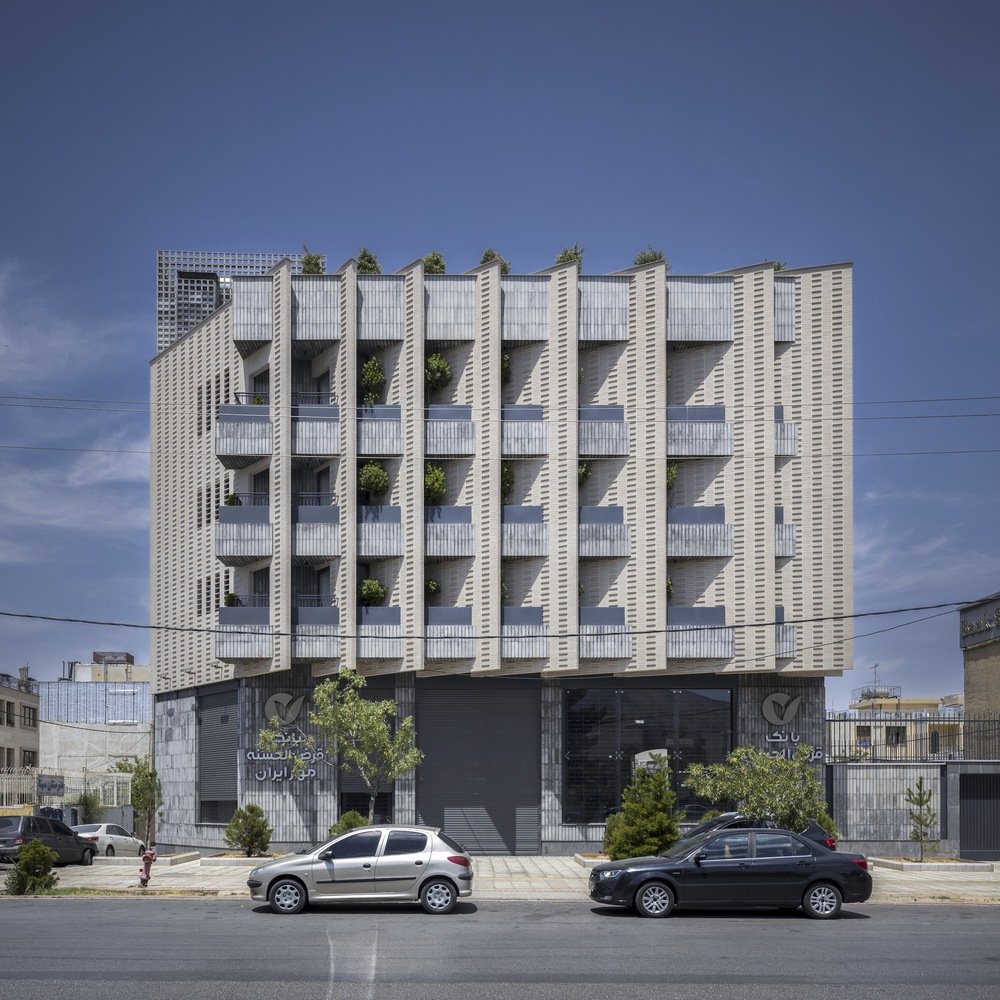
The Sideway Apartment, designed by Ashari Architects, is a mixed-use building at the western entrance to the city of Shiraz in Iran. It stretches along a main boulevard, with shops at ground level and apartments above. The project is a careful response to two problems that also face many buildings in Pakistan: how to make a building on a busy road work for both pedestrians and drivers, and how to control harsh western sun on the main facade. Its answer is a calm commercial base, a rhythmic facade of angled vertical fins, terraced balconies and side walls of hollow concrete modules. This review explains the design and what developers and architects in Pakistan can learn from it.
Sideway Apartment at a Glance
| Architect | Ashari Architects |
|---|---|
| Location | Western entrance to Shiraz, Iran, along a main boulevard |
| Building type | Mixed use: commercial ground floor with residential floors above |
| Main facade | Vertical blades angled to favour southern light, combined with terraces facing the street |
| Side facades | Square hollow concrete modules, used solid or open |
| Design aims | Fit the urban setting, control western sun, give the building a consistent identity from all viewpoints |
The Site: A Building Seen at Two Speeds
The site sits at a gateway to the city, along a main boulevard with elevated roads nearby. This means the building is experienced in two very different ways. Pedestrians pass close to the ground floor at walking pace, looking at shop fronts and entrances. Drivers on the elevated roads see the upper floors briefly, at speed, from a distance.
Ashari Architects made this dual view the core of the design. The base of the building is treated to work for people on foot, while the upper floors use a stronger, more graphic language that reads clearly from passing cars.
Design Concept: A Quiet Base and an Expressive Top
The commercial base
The architects wanted a visually balanced and unobtrusive base. The ground floor holds commercial units and is designed to blend smoothly with pedestrian movement and the life of the street. By keeping the base calm, the design reduces visual clutter at eye level and lets shop fronts and signage do their work.
The residential floors
Above the base, the upper floors take on a different character. A distinct design language separates them from the commercial levels, making it clear where public activity ends and private homes begin. This also gives residents more privacy from the street.
The Main Facade: Fins Against the Western Sun
The main facade faces the boulevard and receives strong western sunlight in the afternoon. Western sun is difficult to control because it comes in at a low angle, so horizontal shades are less effective than they are on a south face. Ashari Architects responded with vertical blades.
Angled blades
Vertical fins are angled to block low western sun and favour softer southern light, reducing heat gain and glare.
Rhythm
Repeated blades create a strong rhythm that gives the building energy and identity when seen from the road.
Terraces
Terraced floors facing the street weave between the vertical elements, like threads in fabric, adding depth and outdoor space.
The terraces also play a climatic role. They create deep, shaded outdoor spaces in front of the apartments and set the glazing back from the facade line, reducing direct sun on windows.
The chamfered corner
One side of the building is chamfered, cut at an angle. The architects aligned this chamfer with the angle of the vertical blades, so that people approaching from that direction see a continuous, unified facade rather than an abrupt corner.
The Side Facades: Hollow Concrete Modules
Because the building can be seen from several directions, the architects wanted every facade to feel part of one design. The north-west and south-east facades face different light and privacy conditions, so they use a different system: square, hollow concrete modules.
- The modules can be used solid where privacy or sun protection is needed, or open where light and views are wanted.
- They can be extended in different directions to suit the size of each wall.
- Their square, framed texture stays simple, so the main facade remains the focal point.
This kind of modular screen is close in spirit to the jaali, the perforated screen used for centuries in South Asian and Persian architecture to filter light, provide privacy and allow air to move.
Facade Strategies Compared
| Strategy | Best orientation | Strengths | Limitations |
|---|---|---|---|
| Vertical fins | East and west | Block low-angle sun, strong visual rhythm | Can limit oblique views |
| Horizontal overhangs | South | Block high summer sun, admit winter sun | Weak against low east and west sun |
| Deep terraces | Any | Shade glazing, add outdoor space | Reduce internal floor area |
| Perforated screens or jaali | Any, especially west | Privacy, filtered light, ventilation | Need cleaning, can reduce daylight |
| Plain glazing | North | Daylight and views | High heat gain on east, west and south |
Why the Design Works
- Climate drives form. The facade is shaped by sun angles, not just style, which reduces cooling demand.
- Clear separation of uses. Shops and homes each get the frontage and privacy they need.
- Consistent identity. The building reads as one design from every approach, despite using different facade systems.
- Simple, buildable elements. Repeated fins and concrete modules can be produced and installed efficiently.
Points to consider
Vertical fins and screens must be designed for wind loads and securely fixed, especially at height. They also collect dust in arid climates, so access for cleaning should be planned. Terraces need good waterproofing and drainage to avoid leaks into the apartments below.
Living Behind the Fins: The Resident’s View
Facade design is often judged from the street, but residents experience it from the inside. In a building like Sideway Apartment, the vertical blades and terraces shape daily life in several ways.
- Privacy. Angled fins limit direct views from the boulevard and from neighbouring buildings into living rooms, while still allowing residents to look out.
- Comfort. Shaded windows reduce afternoon overheating, which is often the hottest and most uncomfortable part of the day in west-facing flats.
- Usable outdoor space. Terraces protected by the facade can be used for sitting, drying clothes or plants, much like a traditional veranda.
- Noise. Depth in the facade and setback glazing can reduce some of the traffic noise reaching the rooms, although good windows remain essential on a main road.
These benefits matter for the long-term value of an apartment building. Flats that stay cooler, feel private and have usable balconies are easier to sell or rent than flats behind bare, sun-baked glass.
Maintenance planning
Owners’ associations should plan for regular cleaning of fins and screens, inspection of fixings and resealing of terrace waterproofing. Including safe access points, such as anchor points for rope access or reachable cleaning positions from terraces, makes maintenance easier and cheaper over the building’s life.
Lessons for Pakistan
Shiraz shares many conditions with Pakistani cities such as Lahore, Multan and Quetta: hot summers, strong sun, dust and a tradition of courtyard and screen architecture. Mixed-use buildings with shops below and flats above are also very common along Pakistan’s main roads. Sideway Apartment offers practical guidance.
Orient first
Identify the west-facing facade early and give it the strongest sun protection.
Separate uses
Give shops a clear, calm frontage and give flats privacy with a distinct upper facade.
Use local screens
Concrete or brick jaali modules provide shade and privacy at modest cost.
Engineer safely
Design fins, screens and terraces for wind and seismic loads to the Building Code of Pakistan.
In Lahore, mixed-use buildings must follow the bye-laws of the relevant authority, such as the Lahore Development Authority, including setbacks, height limits and parking requirements. Energy performance can be improved further by insulating walls and roofs and choosing efficient cooling, using guidance such as ASHRAE standards as a reference.
ACCO designs and builds mixed-use and residential buildings in Lahore. See our apartment building construction service, our model page on commercial plaza construction in Gulberg, and the commercial plaza cost guide, which explains how each project is priced through an itemised BOQ.
Frequently Asked Questions
Who designed the Sideway Apartment?
The building was designed by Ashari Architects and is located at the western entrance to Shiraz, Iran, along a main boulevard.
What is the Sideway Apartment used for?
It is a mixed-use building, with commercial units on the ground floor and apartments on the upper floors.
Why does the facade use vertical blades?
The main facade faces strong western sun. Angled vertical blades block low-angle afternoon sun and favour softer southern light, reducing heat and glare.
What are the hollow concrete modules on the side walls?
They are square concrete units that can be solid or open. They control light and privacy on the north-west and south-east facades while keeping a simple texture.
Would this facade design work in Lahore?
Yes. Lahore’s hot summers and strong western sun make vertical fins, deep terraces and jaali screens effective, provided they are engineered for wind and earthquake loads.
Does ACCO build mixed-use apartment buildings?
Yes. ACCO provides design, approvals support and construction for apartments, plazas and mixed-use buildings. See our services.
Conclusion
The Sideway Apartment shows how a mixed-use building on a busy road can be shaped by its context and climate. A calm base for pedestrians, a rhythmic facade of angled fins for drivers, terraced balconies and modular concrete screens all work together to control sun and give the building a clear identity. For Pakistan’s growing number of roadside apartment and commercial buildings, these ideas offer a practical, climate-aware alternative to flat glass facades.
Related articles
ACCO services
Contact ACCO
- +92 322 8000190
- info@acco.com.pk
- Office 2, 3rd Floor, Bigcity Plaza, Gulberg-III, Lahore
Planning a Project with ACCO?
Architecture, engineering and construction from one Lahore team since 1998. Design drawings are free when ACCO is awarded the construction.
Discuss Your ProjectWhatsApp +92 322 8000190
Grey Structure Construction Cost in Pakistan 2027: What You’ll Actually Pay