Hospital Construction Cost in Saudi Arabia (2026-27): Budget & Planning Guide
By Tanveer Ahmed, CEO, Ahmed Construction Company (ACCO) · Updated · Reviewed by ACCO architects and engineers
Quick Answer
Hospital construction cost in Saudi Arabia for 2026-27: budget components, SBC and MoH cost drivers, climate, equipment, Saudization and BOQ-based planning. Ahmed Construction Company (ACCO), based in Gulberg-III Lahore since 1998, provides hospital design & construction services with design drawings free on award of construction.
Saudi Arabia is one of the largest healthcare construction markets in the Middle East. Vision 2030 has opened the sector to more private investment, new health clusters and public-private partnerships, and demand for hospitals, specialist centres and day-surgery facilities is strong across Riyadh, Jeddah, Dammam and growing secondary cities. Hospital construction cost in Saudi Arabia is shaped by high regulatory standards, extreme climate, imported equipment and labour market rules, as well as by the owner’s own choices on size and services. This guide explains what goes into a Saudi hospital budget, what drives cost, how to plan a budget you can rely on, and where good design saves money without lowering standards. Rather than quoting headline rates that rarely match a real project, it shows how a reliable estimate is built.
Hospital Construction Cost in Saudi Arabia at a Glance
| Main cost groups | Building and structure, finishes, MEP and medical gases, medical equipment and FF&E, external works, design and supervision, permits and contingency |
|---|---|
| Key regulators | Ministry of Health licensing, municipal building permits, Civil Defense fire approval |
| Codes | Saudi Building Code, MoH design guidelines, NFPA life safety |
| Biggest variables | Clinical scope, city and site, specification, cooling and power systems, equipment, programme |
| Pricing | Itemised BOQ against the brief; see the hospital construction cost guide and cost per bed guide for structure |
Why Headline Rates Mislead
A polyclinic, a 100-bed general hospital and a tertiary cardiac centre may all be called hospitals, but their cost per square metre is very different. Operation theatres, ICUs, catheterisation labs and imaging departments need dense MEP services, heavy structure and specialist finishes. Saudi space standards for patient rooms and support areas also affect the gross area per bed. A reliable figure therefore comes from a brief, an area schedule and an itemised BOQ.
What Makes Up a Saudi Hospital Budget
Building works
Excavation, foundations, structure, envelope, roofing and internal partitions.
Clinical finishes
Seamless floors, hygienic walls, sealed ceilings, specialist doors and joinery.
MEP
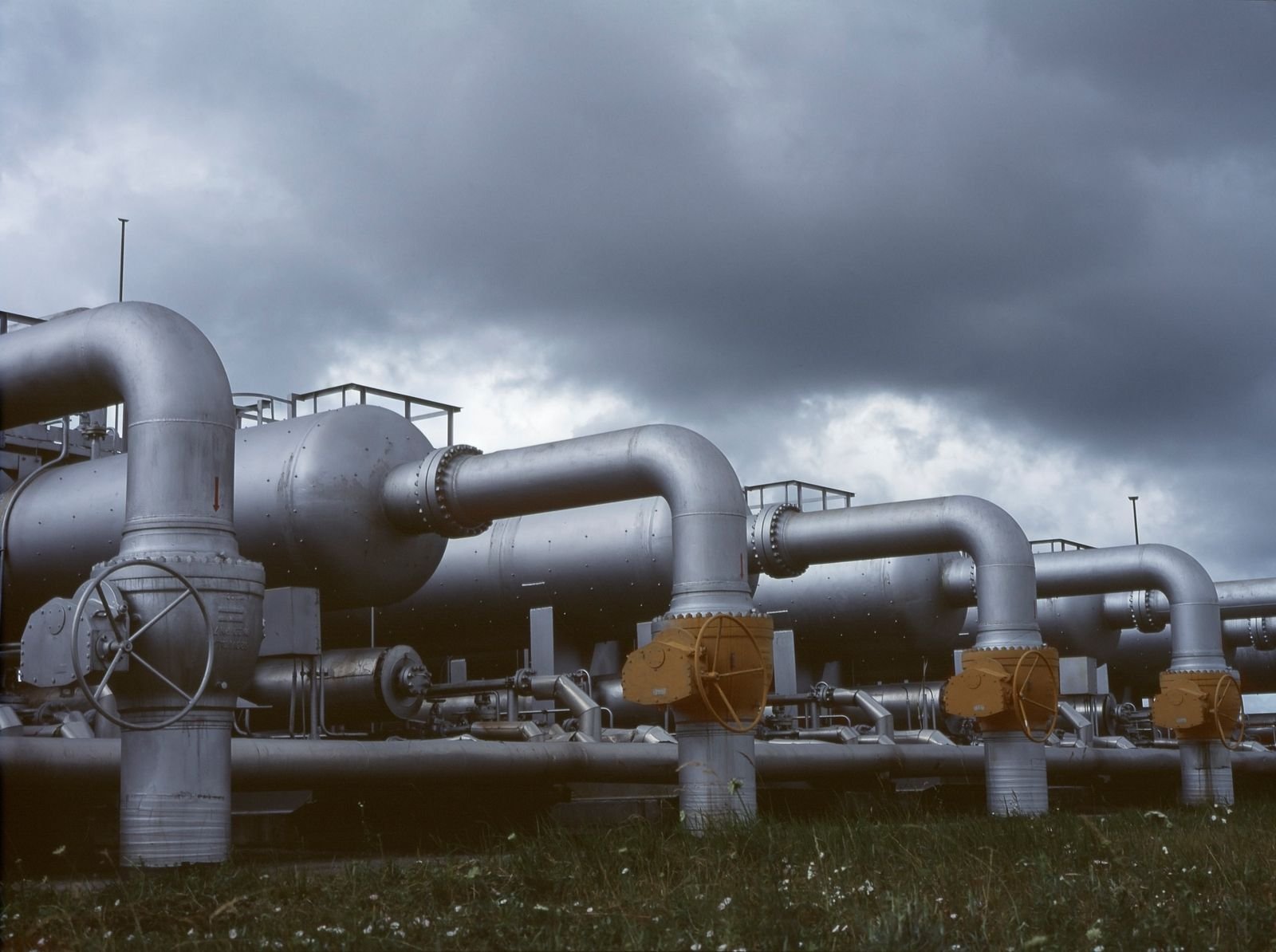
Chilled-water cooling, air handling with filtration, power distribution, generators, UPS, plumbing, fire protection and low-current systems.
Medical gases
Oxygen, vacuum, medical air and other gases with pipelines and alarms; see our medical gas guide.
Equipment and FF&E
Medical equipment, furniture and fittings, often a large share of total project cost.
Soft costs
Design, supervision, permits, insurance, financing and contingency.
Cost Drivers in Saudi Arabia
1. Clinical scope
The number and type of departments matter more than total floor area. Every theatre, ICU bed and imaging room adds disproportionate MEP and equipment cost.
2. Regulatory standards
The Saudi Building Code, Civil Defense requirements and MoH guidelines set high minimums for structure, fire protection, energy efficiency and clinical space. These are not optional, so they should be priced from the outset.
3. Climate
Cooling is the largest MEP system. Extreme heat requires larger chillers, better insulation and high-performance glazing. Dust needs robust filtration. Coastal humidity in Jeddah and the Eastern Province adds dehumidification and corrosion protection.
4. City and site
Major cities tend to have higher land and labour costs but better supply chains. Remote sites add logistics and accommodation costs. Ground conditions, such as sabkha soils near the coast, can affect foundations.
5. Imported systems and equipment
Much medical equipment and some specialist MEP systems are imported. Lead times and exchange rates should be considered, and local content requirements may apply on some projects.
6. Labour and workforce rules
Saudization requirements and labour market policies affect contractor staffing and cost. Contractors with established local operations price these into their rates.
7. Programme
Fast-track programmes may need more resources, overtime and parallel work, which increases cost. A realistic programme often saves money.
Facility Types Compared
| Facility | Typical services | MEP intensity | Main cost drivers |
|---|---|---|---|
| Polyclinic | OPD, diagnostics, minor procedures | Moderate | Fit-out, cooling, IT |
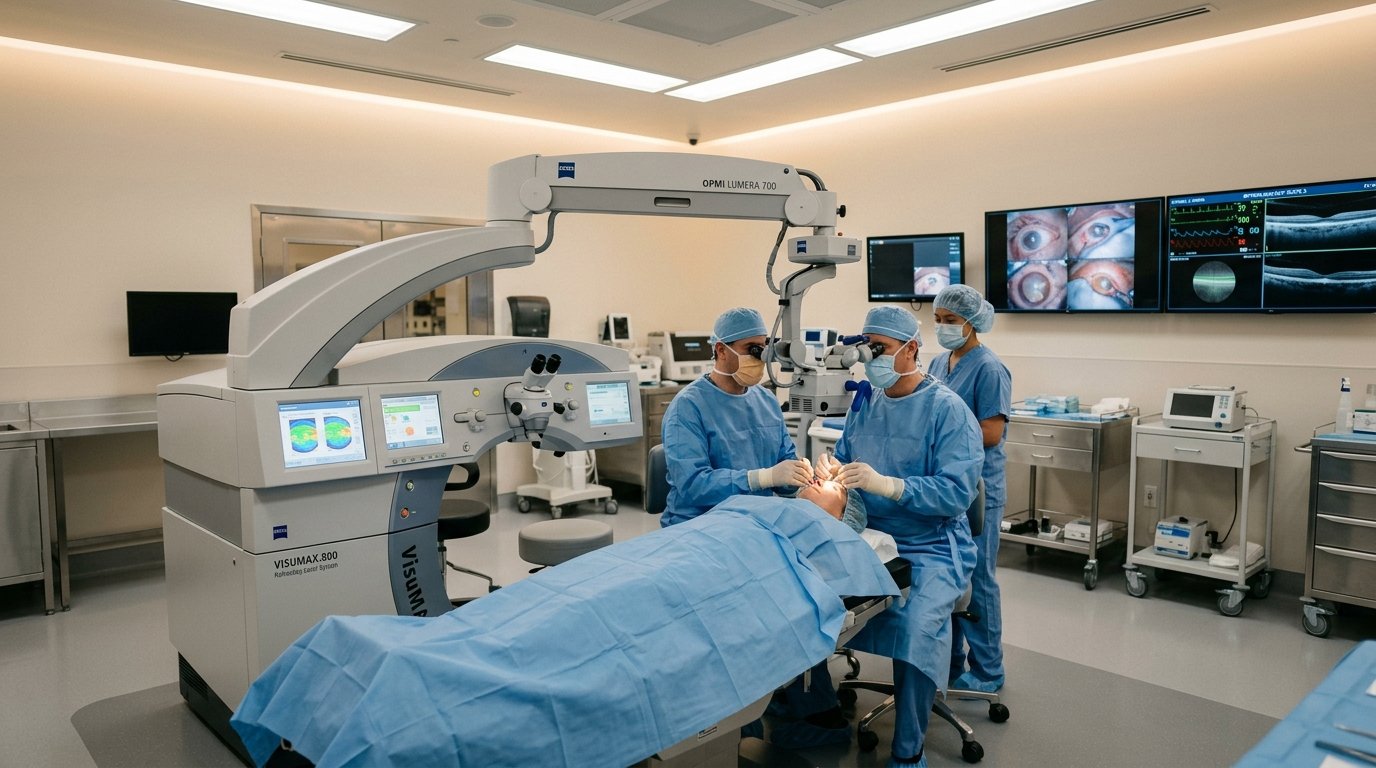
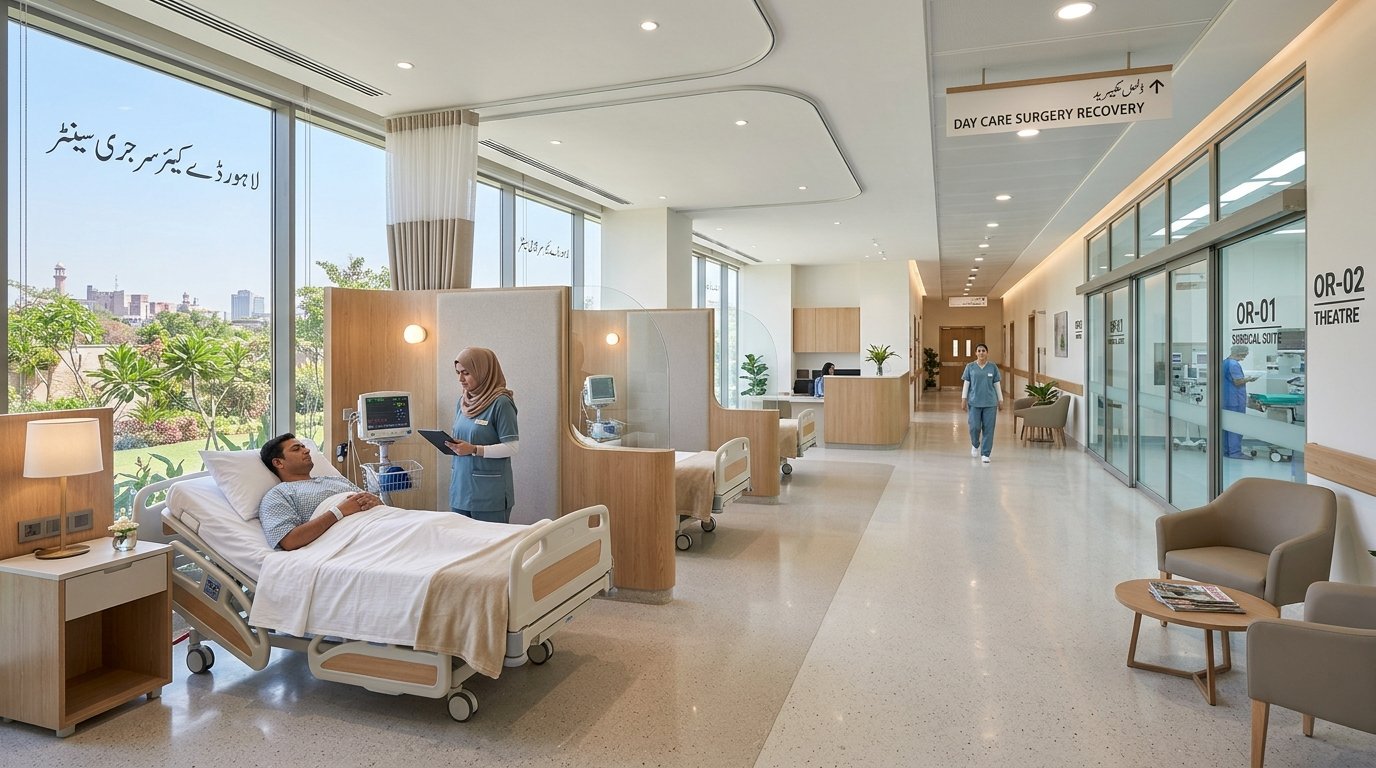
| Day-surgery centre | Theatres, recovery, CSSD, imaging | High | Theatre HVAC, medical gases, equipment |
| General hospital | Emergency, wards, ICU, theatres, imaging, lab | High | MEP, equipment, redundancy |
| Tertiary / specialty hospital | Cardiac, oncology, transplant, advanced imaging | Very high | Specialist equipment, shielding, redundancy |
How to Build a Reliable Budget
1. Brief
Services, bed count, operator model, phasing and target accreditation.
2. Feasibility
Demand, site, approvals path and funding. See our feasibility service.
3. Area schedule
Rooms and departments with sizes to MoH guidance.
4. Concept design
Layout, structure and MEP strategy fixed.
5. Itemised BOQ
Quantities and specifications priced with current local and import rates.
6. Contingency
An allowance for design development, market change and risk.
Where Smart Planning Saves Money
- Efficient planning: compact departmental relationships cut floor area, corridors and MEP runs.
- Standardised rooms: repeated patient rooms and clinics simplify design, procurement and maintenance.
- Envelope first: shading, insulation and glazing reduce cooling plant size and running costs.
- Right-sized plant with expansion space: install capacity for today, with space and connections for tomorrow.
- Early equipment planning: fixing equipment early prevents costly structural and MEP changes.
- Turnkey delivery: one contract can reduce interface risk; see turnkey hospital construction in Saudi Arabia.
Do not economise on fire protection, structural safety, medical gas systems, infection-control finishes or backup power.
Public, Private and PPP Projects
The way a hospital is procured and funded also affects its budget.
Public hospitals
Government projects follow public procurement rules, standard specifications and defined approval stages. Budgets are set early and changes are tightly controlled, so a thorough brief and design are essential before tender.
Private hospitals
Private owners have more flexibility on design and specification, but they carry the commercial risk. Their budgets must balance construction cost against expected patient demand, insurance mix and operating margins. A strong feasibility study is the foundation.
Public-private partnerships
PPP projects often bundle design, construction, financing and sometimes maintenance or operation over many years. Because the private partner may also maintain the building, there is a stronger incentive to invest in durable materials and efficient systems that lower whole-life cost.
Phasing a Saudi Hospital
Phasing lets owners match investment to demand. A common approach is to build the structure, core services and plant space for the full hospital but fit out only part of it at opening. Additional floors, wards or specialist departments are completed later as patient numbers grow. To make phasing work:
- Design the structure and foundations for the final building height
- Provide shafts, risers and plant room space for future services
- Size utility connections and substations with future loads in mind
- Plan construction access to later phases without disturbing operating areas
- Agree infection-control procedures for building work next to live clinical areas
Phasing usually raises the total cost slightly compared with building everything at once, but it reduces the initial capital and financing burden.
Hidden Costs to Include
- Geotechnical investigation and soil improvement
- Utility connections, substations and district cooling connections where available
- Car parking structures, landscaping and external works
- Staff housing for remote facilities
- Commissioning, training and spare parts
- Accreditation preparation and licensing inspections
Running Costs and Whole-Life Value
Electricity for cooling, maintenance contracts for imported equipment and water treatment are recurring costs for the life of the hospital. Investments in efficient chillers, heat recovery where suitable, LED lighting, solar PV and a good building management system typically reduce these costs every year. Saudi energy-efficiency requirements already push in this direction. Comparing options on whole-life cost leads to better decisions than comparing construction prices alone.
How ACCO Can Help
ACCO is a design and construction company based in Gulberg-III, Lahore, working since 1998 with a focus on healthcare. For Saudi projects, ACCO can support feasibility, hospital planning, design development and itemised BOQ preparation, working with locally licensed partners where required. For further reading, see how to build a hospital in Saudi Arabia and our hospital construction page.
Frequently Asked Questions
How much does it cost to build a hospital in Saudi Arabia?
It depends on size, services, specification, city and equipment. A reliable figure comes from an itemised BOQ prepared against a clear brief, which ACCO provides for each project.
Is medical equipment included in construction cost?
Usually not. Medical equipment and furniture are normally budgeted separately and can be a large part of total project cost.
Why are Saudi hospitals expensive to build?
High code standards, extreme climate, dense MEP systems, imported equipment and workforce requirements all add cost.
Which regulations affect hospital cost?
The Saudi Building Code, Civil Defense fire requirements, MoH design guidelines and accreditation standards such as CBAHI.
How can owners reduce cost?
Plan efficiently, standardise rooms, invest in the envelope, fix equipment early and choose a delivery model that reduces interface risk.
What contingency is sensible?
It depends on design maturity and project risk. Early-stage estimates need a larger contingency than estimates based on detailed design.
Conclusion
Hospital construction cost in Saudi Arabia is high because the standards and climate demand it, but it is controllable. Start with a clear brief, test feasibility, build an itemised BOQ, plan for running costs and protect safety-critical systems. Contact ACCO at info@acco.com.pk to discuss your project.
Related articles
Contact ACCO
- +92 322 8000190
- info@acco.com.pk
- Office 2, 3rd Floor, Bigcity Plaza, Gulberg-III, Lahore
Planning a Project with ACCO?
Architecture, engineering and construction from one Lahore team since 1998. Design drawings are free when ACCO is awarded the construction.
Discuss Your ProjectWhatsApp +92 322 8000190