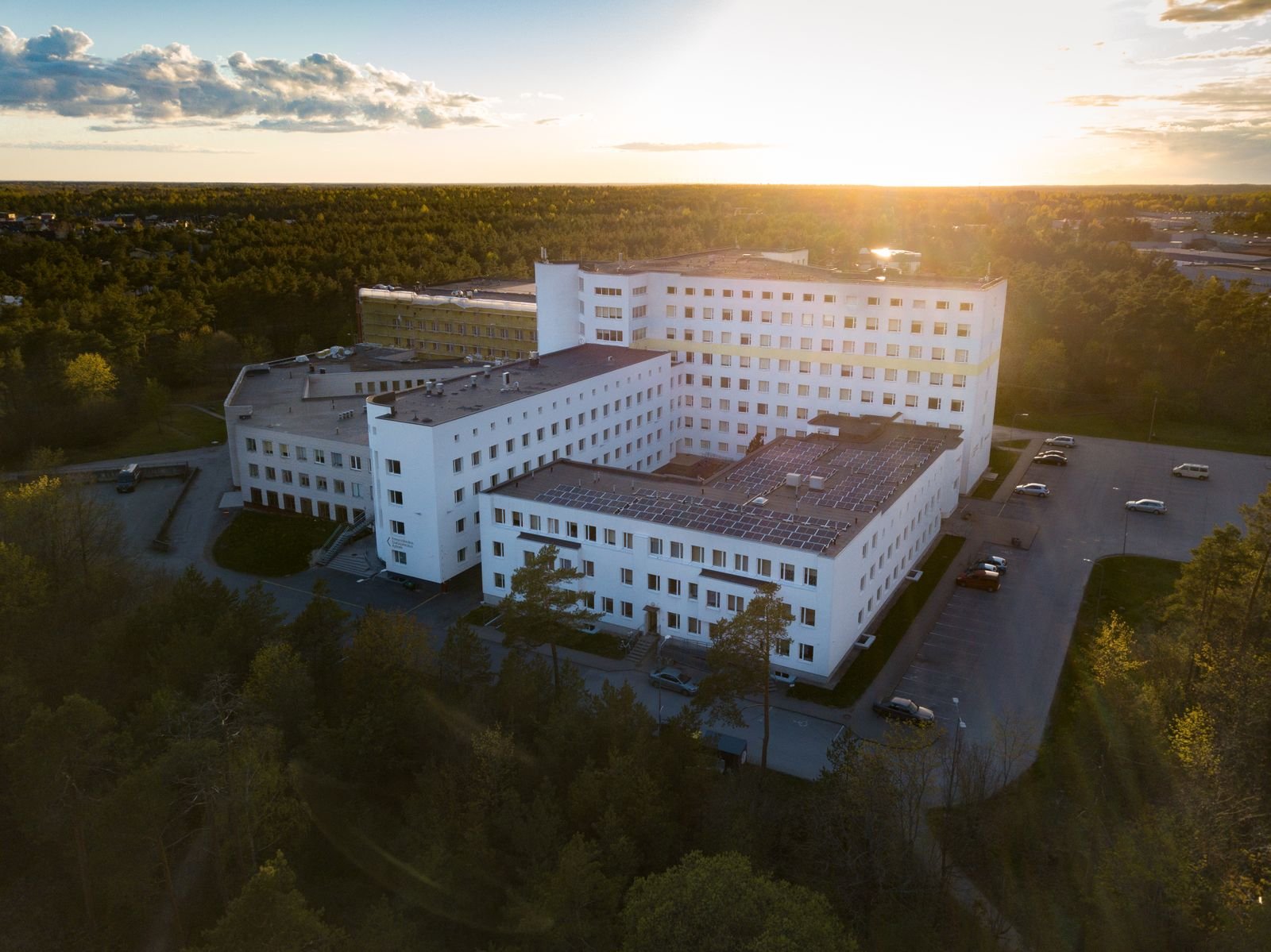
Sustainable Hospital Design in Asia: Green Healthcare Buildings for the Future
Hospitals are among the most energy-intensive buildings on earth — running 24/7 with heavy HVAC, imaging, and sterilization loads. Across Asia, rising energy prices and ESG-driven financing are making sustainable hospital design a commercial necessity, not a luxury. This guide covers the green healthcare building strategies that cut operating costs by 25–40% while improving patient outcomes.
🌱 Why Green Hospital Design Pays in Asia
Energy typically represents 2–4% of a hospital’s total operating budget, and in hot-climate Asian markets HVAC alone can consume 40–50% of electricity. A sustainably designed hospital recovers its green premium (usually 3–7% of construction cost) within 4–6 years — then keeps saving for decades. Green certification also strengthens financing: DFIs and climate funds increasingly prefer certified healthcare assets.
☀️ Core Sustainable Design Strategies
1. Passive Design First
Building orientation, shading fins, high-performance glazing, and insulation reduce cooling loads before any equipment is bought. In South and Southeast Asia, correct orientation alone cuts cooling demand 10–15%.
2. High-Efficiency HVAC with Heat Recovery
Variable-speed chillers, heat-recovery wheels on air-handling units, and demand-controlled ventilation deliver the largest single energy saving in hospitals — while maintaining strict clinical air-change requirements.
3. Solar-Ready and On-Site Renewables
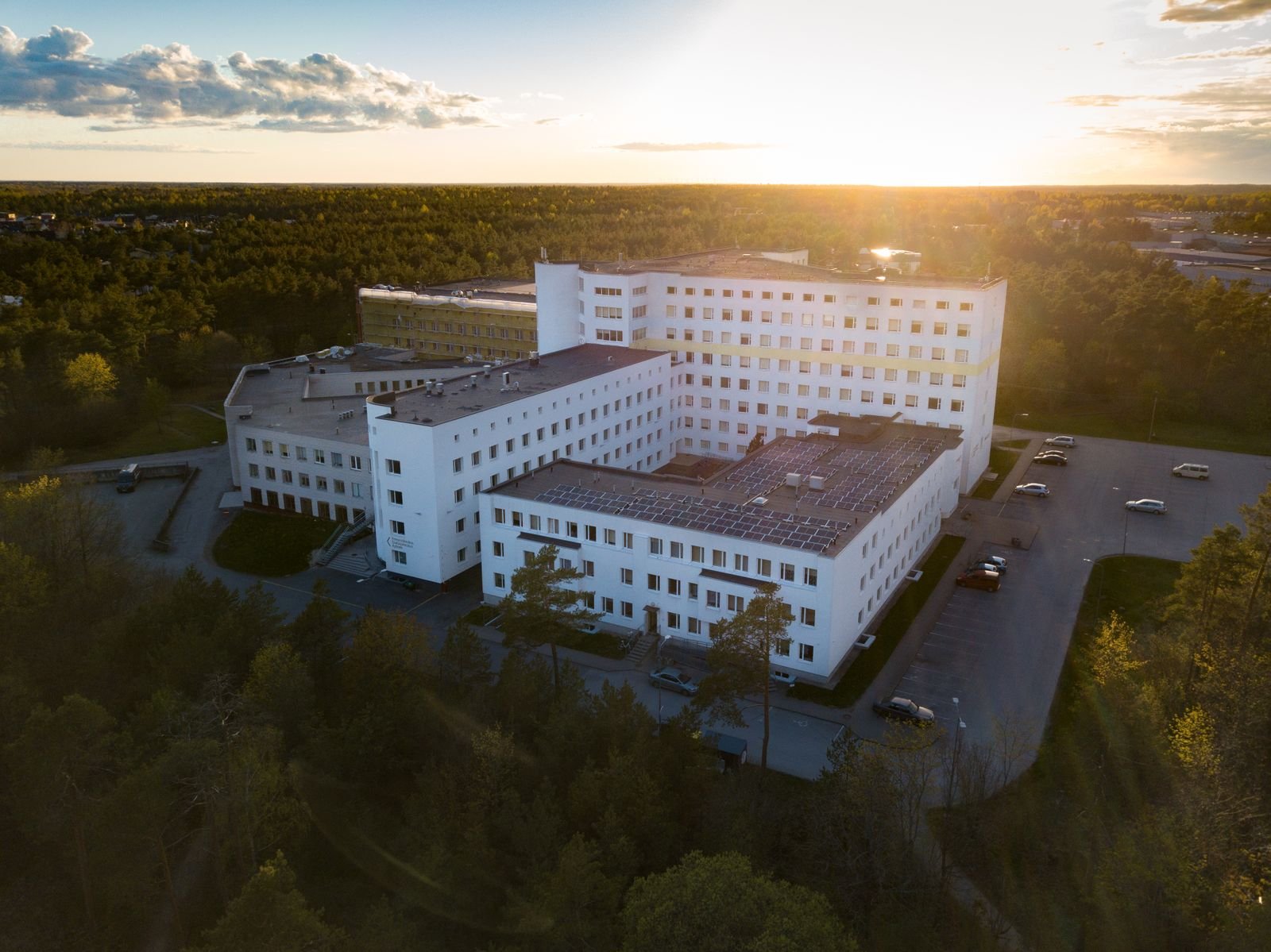
Rooftop and carport solar can supply 15–30% of a hospital’s daytime load in most Asian climates. Hybrid solar-generator systems also improve resilience where grids are unstable.
4. Water Efficiency and Recycling
Low-flow fixtures, rainwater harvesting, and greywater recycling for landscaping and cooling towers reduce municipal water demand 30–50% — critical in water-stressed Asian cities.
5. Healthy Materials and Daylight
Low-VOC finishes, antimicrobial yet sustainable surfaces, and daylighting in wards measurably improve recovery times and staff wellbeing — the original purpose of a hospital.
🏅 Green Certification Options for Asian Hospitals
- EDGE (IFC): pragmatic, affordable, popular for emerging-market hospitals
- LEED Healthcare: global recognition for premium and medical-tourism facilities
- Green Mark / local schemes: national programs across Singapore, India, Pakistan, and the Gulf
🏥 ACCO’s Approach to Sustainable Hospitals
ACCO integrates sustainability into every stage — passive architecture, efficient MEP engineering, solar-ready structures, and PEB systems that reduce embodied material waste. With 25+ years of construction experience and healthcare projects including LDMC and MCH Islamkot, we design green hospitals that bank on lower operating costs from day one.
❓ Frequently Asked Questions
How much extra does a green hospital cost?
Typically 3–7% above conventional construction, with payback in 4–6 years through energy and water savings.
Can existing hospitals be retrofitted for sustainability?
Yes — HVAC upgrades, LED conversion, and solar additions are the highest-return retrofits, often with under-3-year payback.
Does green design compromise infection control?
No. Properly engineered heat-recovery and filtration systems meet or exceed clinical air-quality standards while saving energy.
Want a hospital that costs less to run? Ask ACCO about sustainable hospital design.