Sustainable Hospital Design in Afghanistan: Green Healthcare Facilities
In most countries, sustainable hospital design is about reducing bills and emissions. In Afghanistan it is about something more fundamental: a sustainable hospital is one that can operate at all. Where grid power is unreliable, fuel is expensive, and water is scarce, green design is the difference between a hospital that runs every day and one that closes wards in winter. This guide covers sustainable hospital design strategies proven for Afghan conditions in 2026.
☀️ Solar Power: The Backbone of the Afghan Hospital
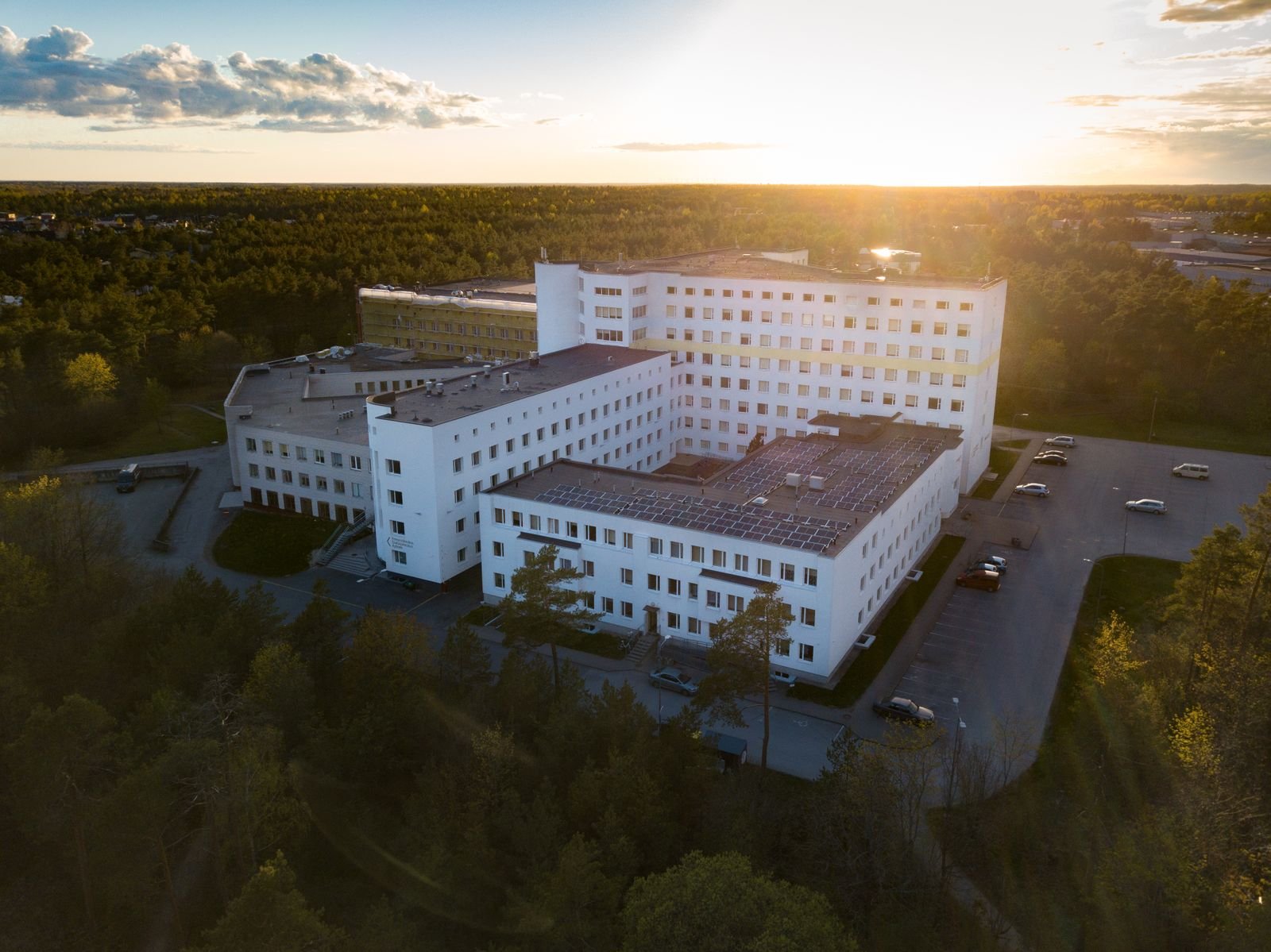
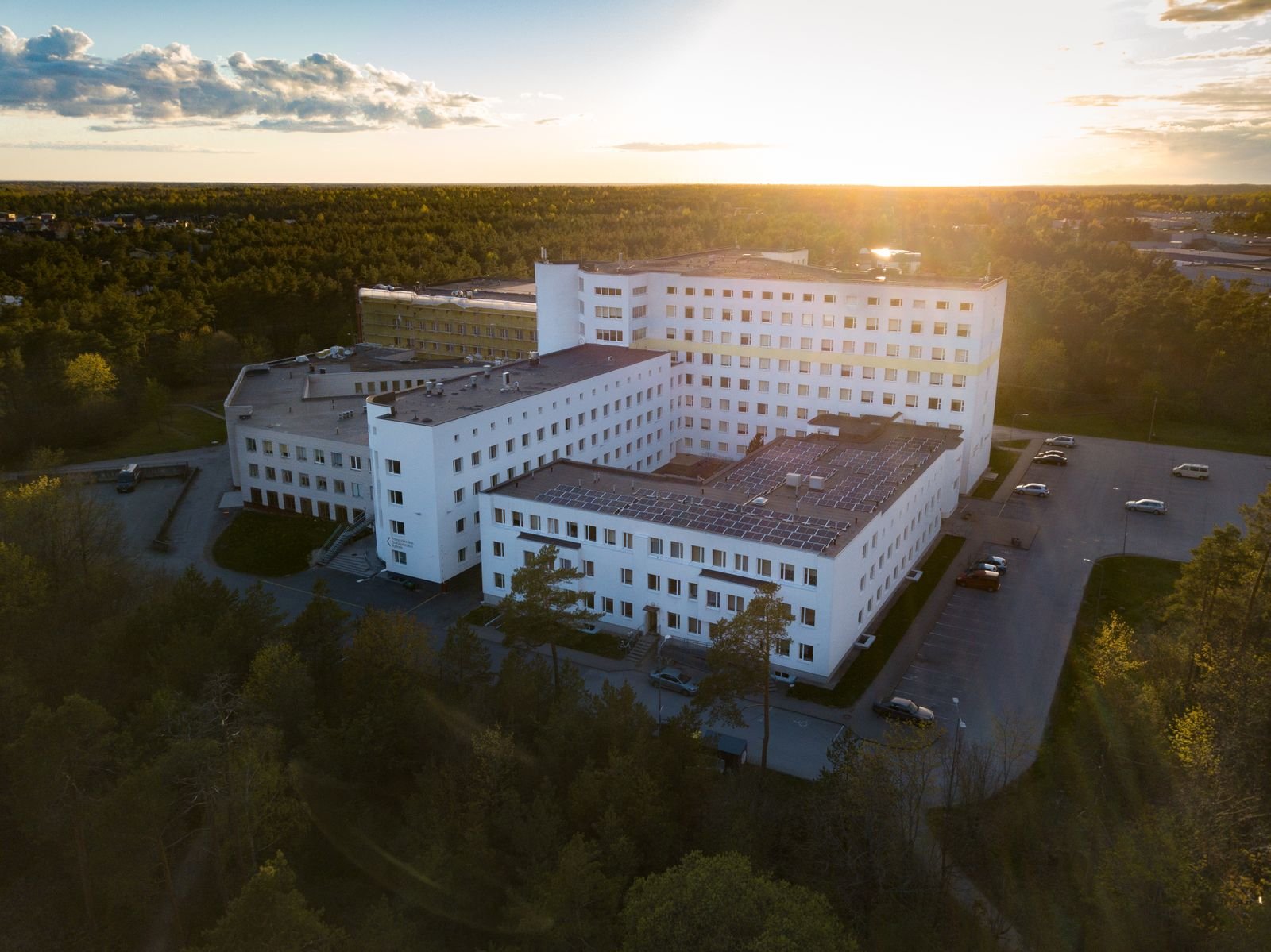
Afghanistan enjoys over 300 sunny days a year — among the best solar resources in Asia. A properly designed hybrid system combines rooftop and ground-mounted solar arrays supplying 30–50% of daytime clinical load, battery storage for critical circuits, and generators sized for full load as backup rather than primary supply. The result: fuel costs cut by half or more, and power that never depends on a tanker arriving.
🔥 Passive Design for a Continental Climate
Kabul swings from -10°C winters to 35°C summers. Passive strategies do the heavy lifting before any fuel is burned:
- Orientation and compact massing to hold winter heat and shade summer sun
- High insulation and airtight envelopes — the cheapest heating plant is the heat you never lose
- Thermal mass in masonry construction smoothing day-night temperature swings
- South-facing glazing with deep shading — free winter solar gain, blocked summer overheating
- Dust-lock entrances and filtered ventilation protecting clinical air quality
Well-executed passive design cuts heating and cooling demand 30–40% in Afghan climates — permanently, with zero maintenance.
💧 Water Sustainability
Boreholes with treatment, 48–72 hour storage, low-flow clinical fixtures, and greywater reuse for landscaping make hospitals independent of fragile municipal supply. In water-stressed provinces, rainwater harvesting from large hospital roofs adds meaningful capacity.
♻️ Materials and Waste
Local masonry and aggregates minimize transport emissions and cost; Pakistani-fabricated PEB steel reduces material waste versus in-situ alternatives. On-site medical waste treatment (autoclave or controlled incineration) is a sustainability and safety requirement where municipal systems are absent.
💰 The Economics: Green Pays Faster in Afghanistan
Because Afghan hospitals self-generate power and heat, every efficiency measure repays directly in diesel and gas saved. Typical paybacks: solar hybrid systems 3–5 years; insulation upgrades 2–4 years; LED and efficient HVAC under 3 years. A green Afghan hospital is simply a cheaper-to-run Afghan hospital.
🏥 ACCO’s Sustainable Hospital Approach
ACCO designs Afghan healthcare facilities around passive-first architecture, hybrid solar power, and water independence — engineered by the same team that delivers structural, MEP, and turnkey construction. With 25+ years of experience and completed hospitals including LDMC and MCH Islamkot, we build facilities that keep running when everything around them stops.
❓ Frequently Asked Questions
How much extra does sustainable design cost?
Typically 4–8% of construction cost for solar hybrid, insulation, and efficient systems — repaid in 3–5 years of fuel savings.
Can a hospital in Afghanistan run fully on solar?
Daytime clinical loads largely yes; 24/7 operation uses batteries plus generator backup. Full off-grid operation is achievable for smaller facilities.
Does green design work for NGO budgets?
Especially well — donors increasingly require it, and lower running costs stretch every operating grant further.
Want a hospital that runs on sunshine, not diesel? Ask ACCO about sustainable hospital design.