Sustainable Hospital Design in Saudi Arabia: Green Healthcare Facilities
Sustainability is now official policy in Saudi construction. Between Vision 2030’s environmental commitments, the Saudi Green Initiative, and the Kingdom’s Mostadam rating system, sustainable hospital design in Saudi Arabia has moved from marketing language to procurement requirement — and in a climate where cooling dominates operating budgets, it is also simply good business. This 2026 guide covers the green strategies that matter most for Saudi healthcare facilities.
☀️ The Saudi Sustainability Equation: Cooling First
In a country of 45°C+ summers, HVAC can consume half a hospital’s electricity. Every sustainable strategy therefore starts with cooling-load reduction:
- High-performance envelopes: insulated walls and roofs, low-SHGC glazing, and external shading that stop heat before it enters
- Orientation and massing: minimized west-facing glass, shaded courtyards, and self-shading building forms
- High-efficiency plant: variable-speed chillers, thermal storage shifting load to cooler nights, and heat-recovery serving domestic hot water
- Demand-controlled ventilation: clinical air-change compliance without conditioning empty space
Together these measures cut hospital cooling energy 30–45% versus conventional design — permanently.
🔆 Solar Power at Scale
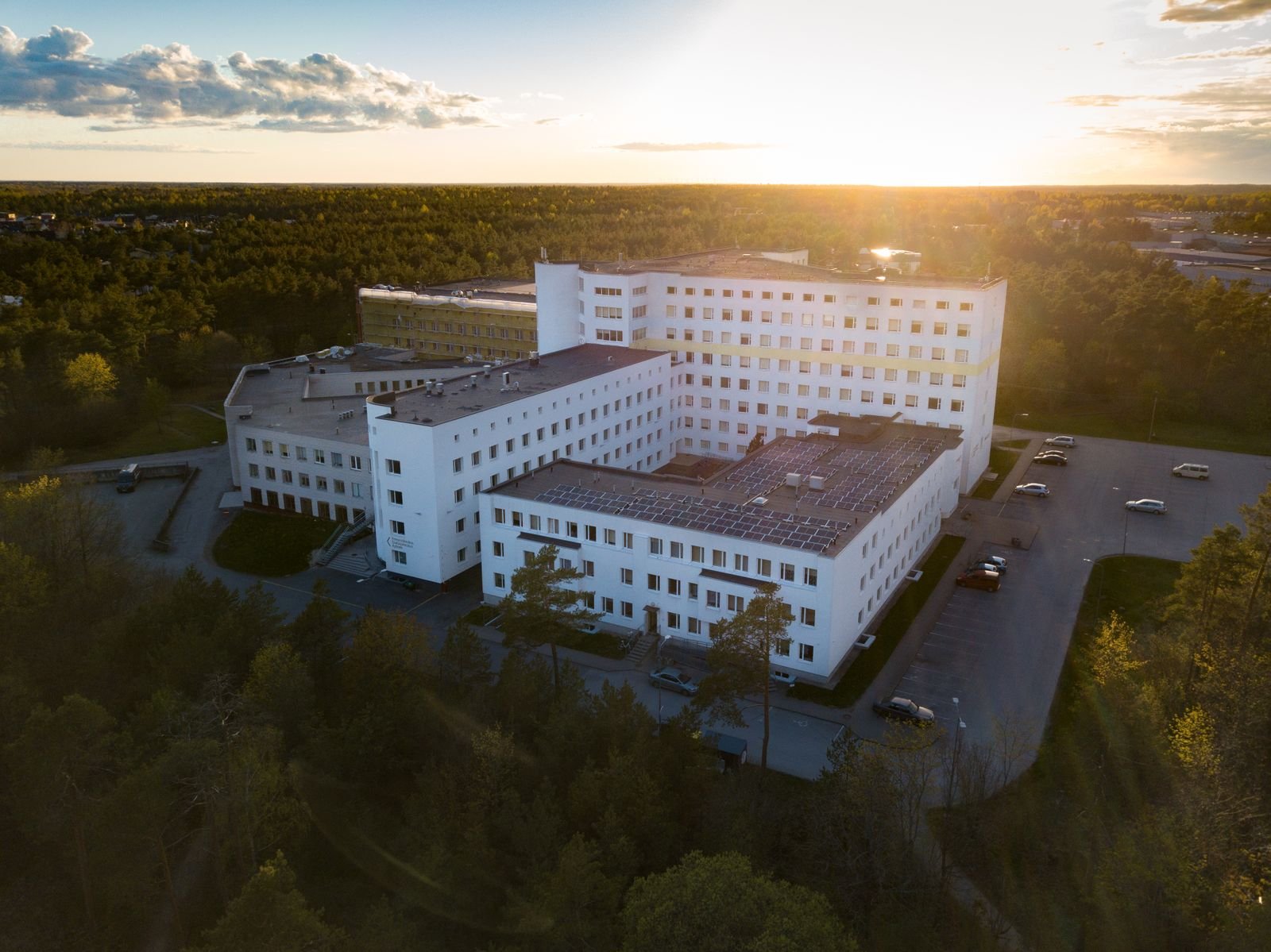
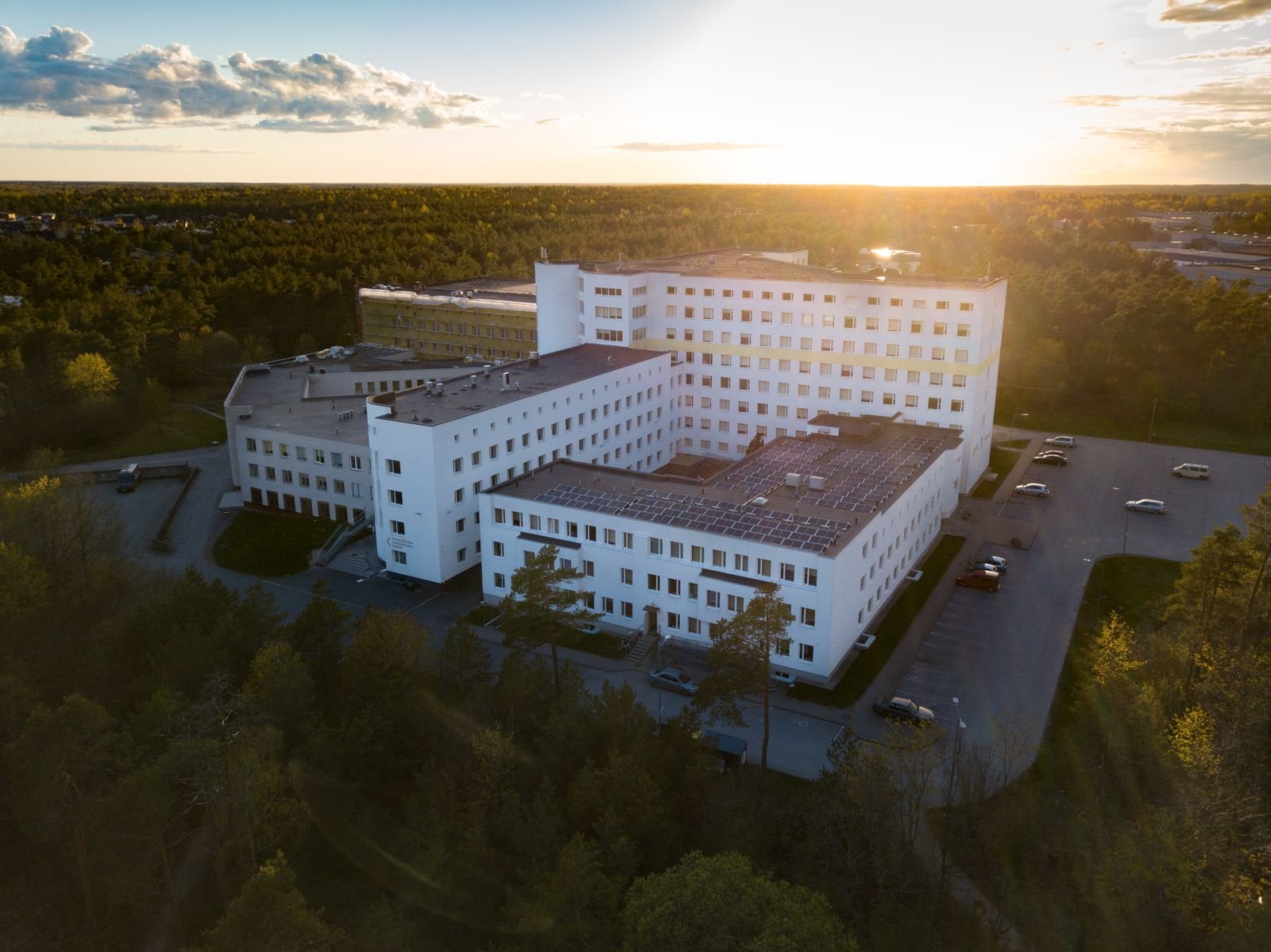
Saudi Arabia has world-class solar resources, and hospital roofs, car parks, and canopies are ideal generation surfaces. Rooftop and carport PV can offset 15–25% of a hospital’s load, with the grid and generators providing firm supply. Solar-ready structural and electrical design costs little now and enables expansion as tariffs and programs evolve.
💧 Water: The Kingdom’s Scarcest Resource
Desalinated water carries a heavy energy and cost footprint. Sustainable Saudi hospitals specify low-flow clinical fixtures, condensate recovery from massive AHU cooling loads — a surprisingly large water source in Gulf climates — greywater reuse for landscape irrigation, and native low-water planting.
🏅 Certification Pathways
- Mostadam: the Saudi national rating system — increasingly referenced in public and PPP procurement
- LEED Healthcare: the global benchmark for flagship and medical-tourism facilities
- EDGE: a pragmatic certification route for cost-disciplined private projects
💰 The Business Case
Green measures typically add 3–7% to construction cost and repay through energy savings in 3–6 years — faster in Saudi Arabia than almost anywhere, because avoided kilowatt-hours are cooling kilowatt-hours. Certification additionally strengthens PPP bids, ESG-linked financing, and brand position in an insurance-driven market.
🏥 ACCO’s Sustainable Approach
ACCO designs envelope-first, plant-second: passive architecture reducing loads, then high-efficiency MEP serving what remains — engineered by one integrated team with 25+ years of construction delivery and completed hospitals including LDMC and MCH Islamkot. The result: Saudi healthcare facilities that meet Mostadam and LEED ambitions while cutting lifetime operating cost.
❓ Frequently Asked Questions
Is green certification mandatory for Saudi hospitals?
Not universally — but Mostadam alignment is increasingly expected in public-linked procurement, and market momentum is clearly toward certification.
What single measure saves the most energy?
Envelope quality — every watt of solar gain excluded is roughly three watts of cooling plant, distribution, and electricity avoided.
Does sustainability compromise clinical standards?
No — properly engineered systems meet full clinical air-change and filtration requirements while consuming dramatically less energy.
Want a Saudi hospital that costs less to run? Ask ACCO about sustainable design.