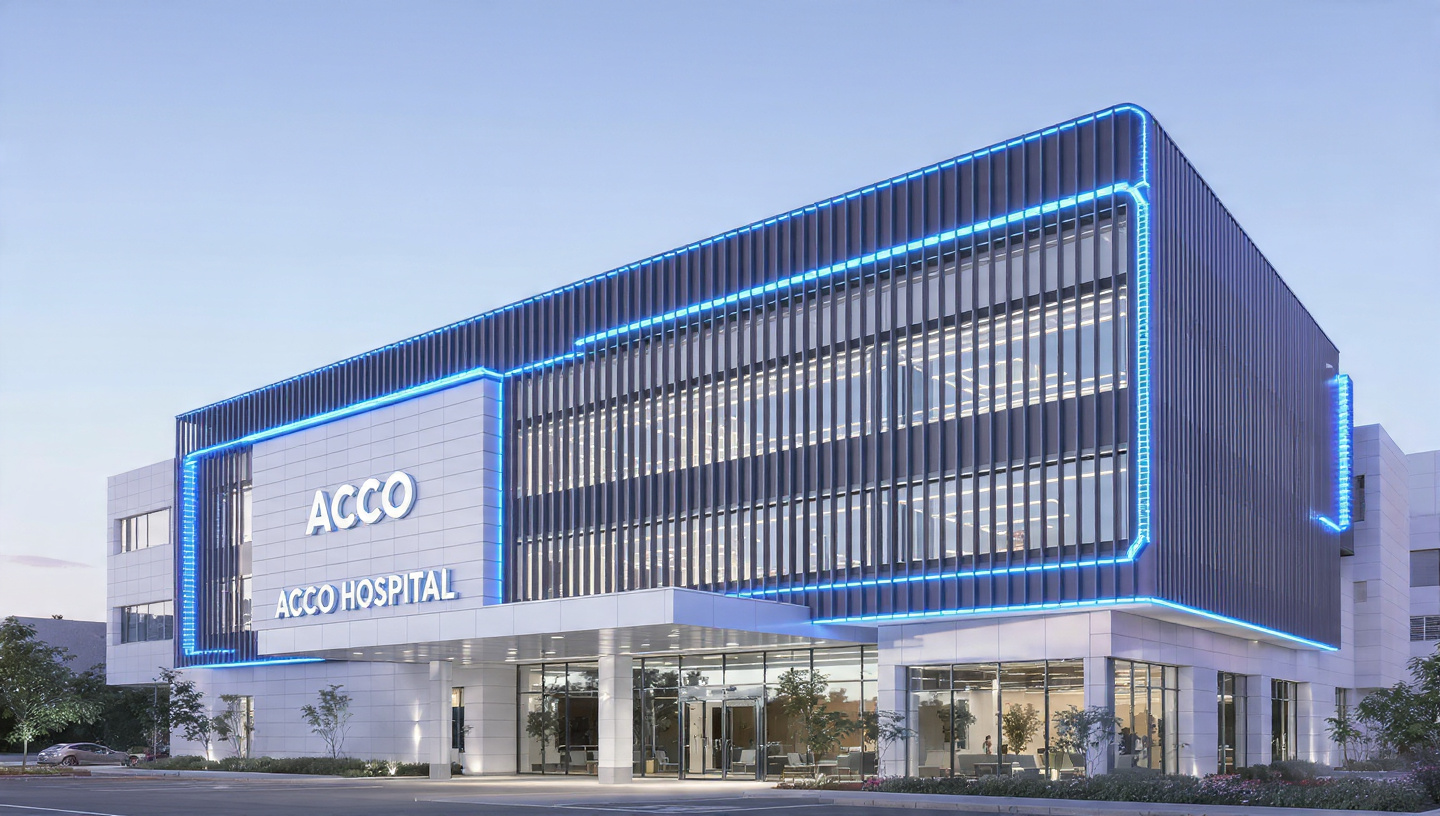
Hospital Planning, Design & Construction: Expert Insights | ACCO Construction
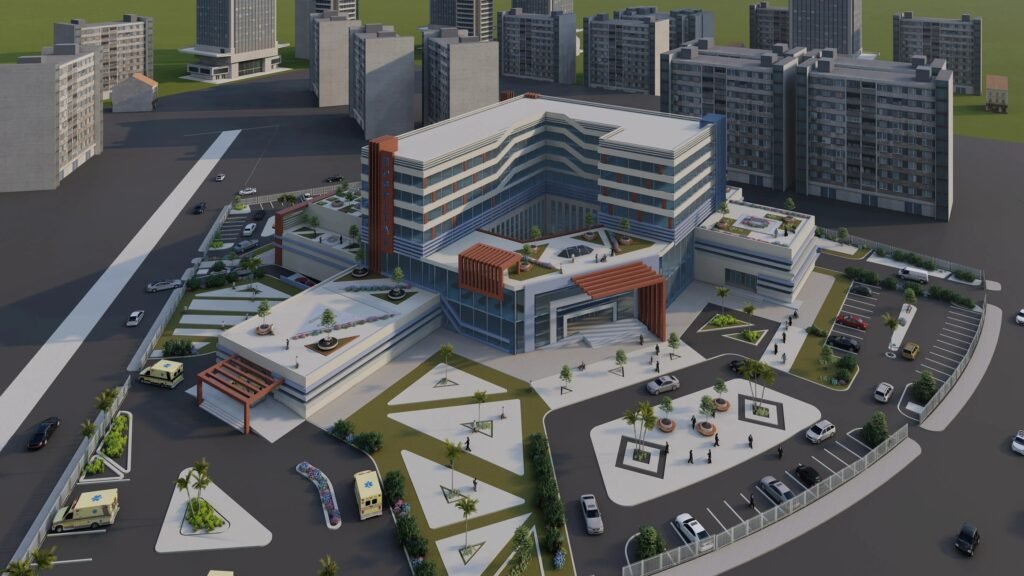

CBD Punjab & Gulberg High-Rise Plaza Design: Bylaws, FAR & Height Regulations | ACCO
Lahore’s skyline is experiencing a historic vertical transformation. The launch of the Central Business District (CBD Punjab / Lahore Central Business District Development Authority – LCBDDA) along the Walton airport corridor, combined with the Lahore Development Authority’s (LDA) revised high-rise

DHA Lahore Phase 6 & Phase 8 Commercial Plaza Construction | ACCO
Defense Housing Authority (DHA) Lahore stands as the gold standard of real estate investment and corporate infrastructure in Pakistan. In particular, DHA Phase 6 (Main Boulevard, Broadway Commercial, and CCA 1 & 2) alongside DHA Phase 8 (Commercial Broadway and
Hospital Construction in Pakistan: 2026 Planning & Cost Guide
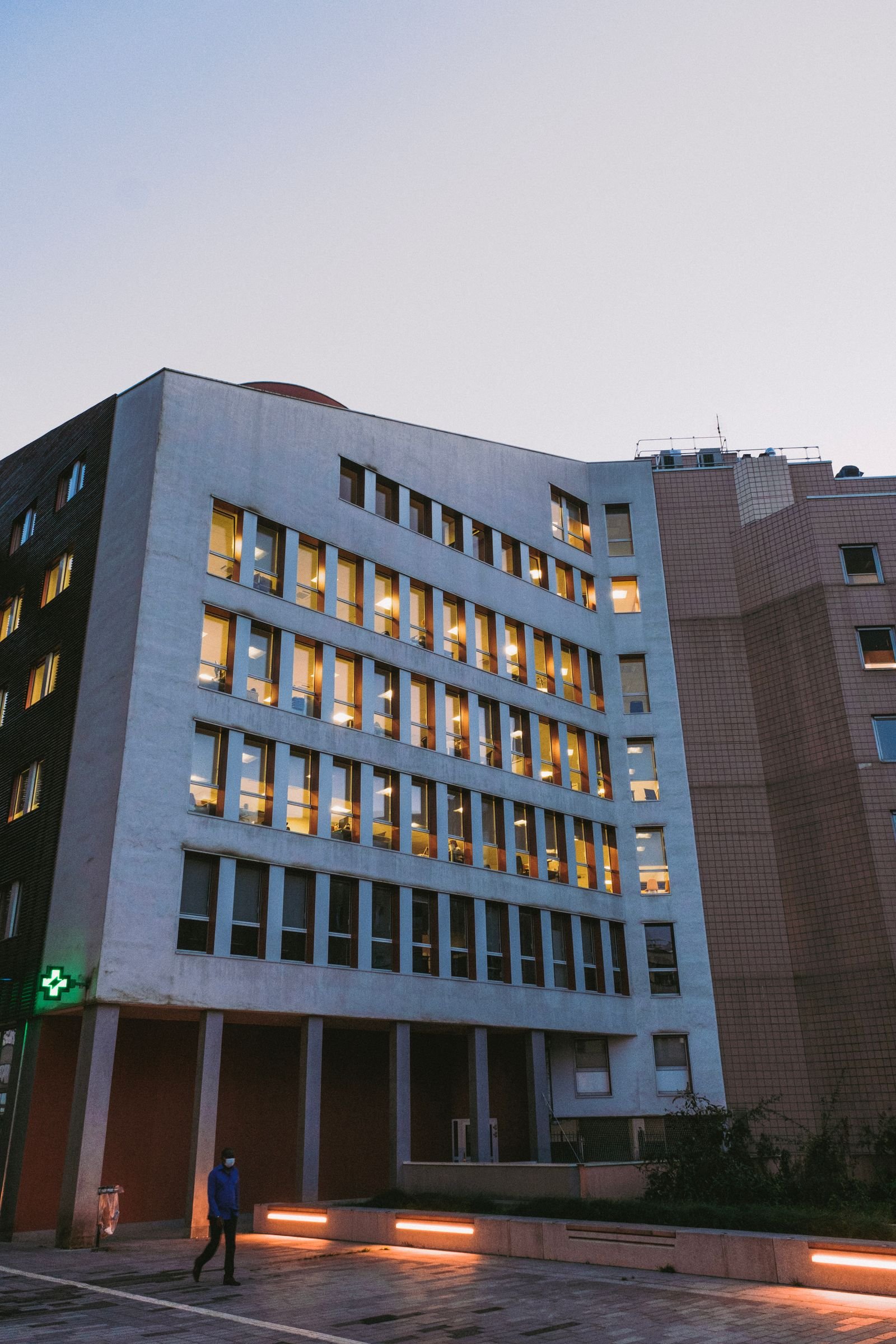
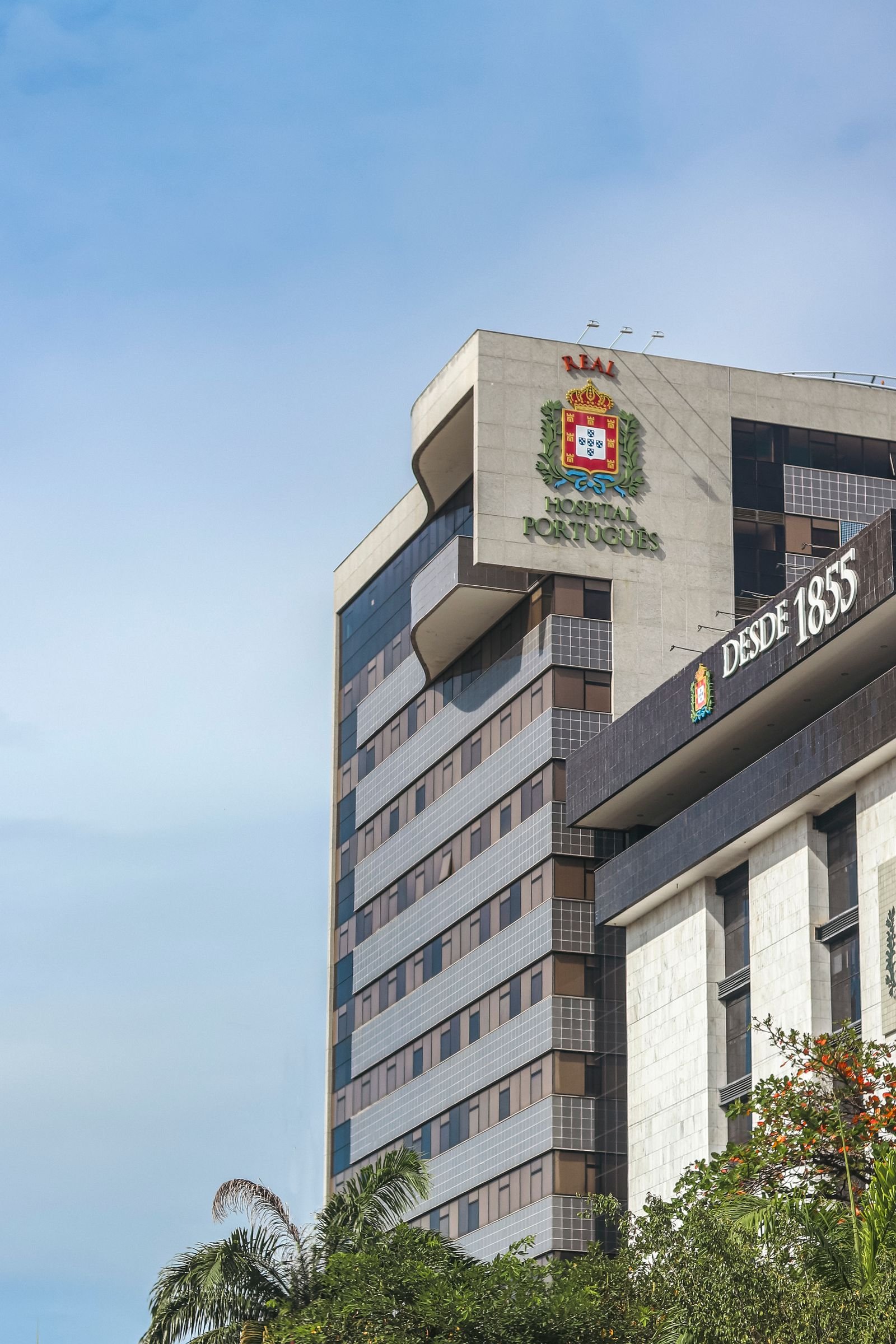
Hospital Construction in Pakistan: Complete Planning & Cost Guide 2026 Building a hospital in Pakistan is one of the most complex construction undertakings you can pursue. It demands precision at every stage — from soil testing and structural design to

Hospital Medical Gas Pipeline Systems (MGPS): HTM 02-01 Engineering Standards | ACCO
In hospital engineering, few systems carry as immediate a life-or-death responsibility as the Medical Gas Pipeline System (MGPS). Providing continuous, uninterrupted deliveries of medical oxygen, medical nitrous oxide, high-pressure surgical air, and medical vacuum directly to patient bedsides, operating theaters,

Eye & Ophthalmology Surgical Hospital Design Standards in Pakistan | ACCO
Ophthalmology is one of the most high-volume and technologically sophisticated specialties in medicine. In Pakistan, the heavy national burden of cataracts, refractive errors, diabetic retinopathy, and corneal diseases has driven tremendous demand for dedicated eye hospitals and outpatient vision care

Day Care Surgery & Ambulatory Care Centre Architecture in Pakistan | ACCO
The global healthcare industry has experienced a massive migration from traditional multi-day inpatient hospital admissions toward outpatient ambulatory care centers. In Pakistan, driven by advances in laparoscopic surgery, local anesthesia techniques, and consumer demand for cost-effective, infection-free clinical environments, day
Commercial Buildings
Efficient & Durable Commercial Spaces with PEB Solutions Commercial Buildings At Ahmed Construction Company, we specialize in designing and constructing Pre-Engineered Buildings (PEB) for commercial purposes. Whether it’s warehouses, factories, showrooms, or retail outlets, our PEB solutions are engineered for
Road Construction & Paving
Complete HVAC Solutions Integrated with MEP & Firefighting Systems Road Construction & Paving At Ahmed Construction Company, we pride ourselves on delivering high-quality road construction solutions across Pakistan. Our team of skilled engineers and construction professionals uses the latest technology
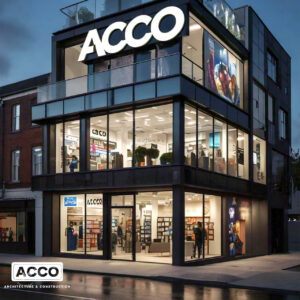
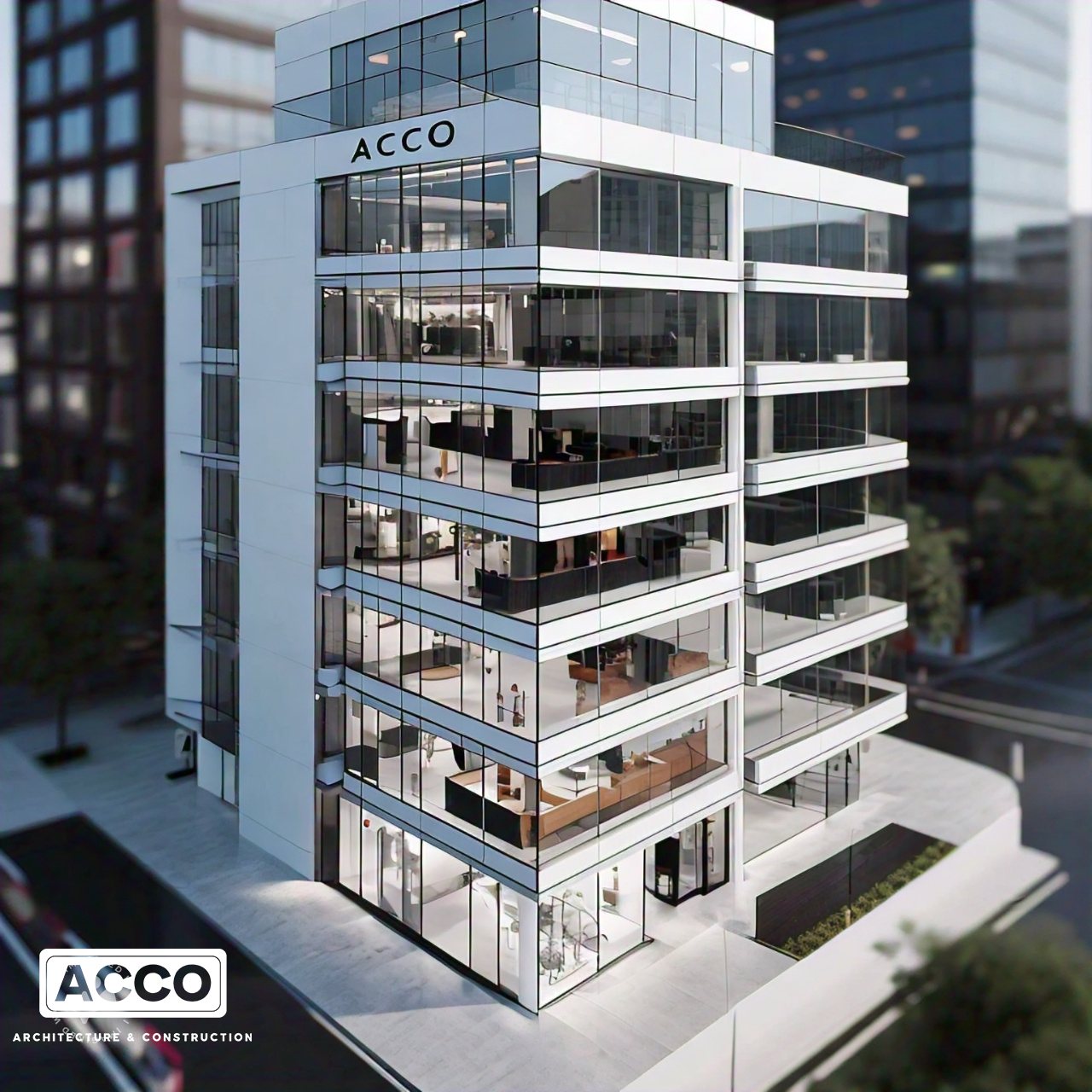
🏙️ High-Rise Commercial Plaza Design & Construction in Lahore – ACCO Construction
🏗️ Introduction to ACCO Construction ACCO Construction, based in Gulberg-III, Lahore, is one of Pakistan’s leading construction and engineering companies, specializing in commercial, residential, and industrial projects. With decades of experience in architectural design, structural engineering, and turnkey construction, ACCO
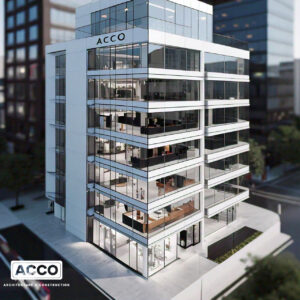
🌿 Sustainable Commercial Plaza Design and Construction in Pakistan | ACCO Construction
🏗️ Introduction to ACCO Construction ACCO Construction is one of Pakistan’s leading construction and engineering firms, specializing in sustainable commercial buildings, modern plazas, and turnkey infrastructure solutions. Based in Lahore, ACCO has over 20 years of industry experience in architectural

🏥 Low Budget Small Hospital Design in Pakistan – ACCO Construction
🏗️ About ACCO Construction – Building Healthcare with Expertise ACCO Construction, headquartered in Lahore, Pakistan, is a leading name in hospital planning and infrastructure development. With over two decades of experience, ACCO specializes in hospital design and construction, turnkey healthcare
Structural Steel Detailing
Precision in Every Beam and Joint Structural Steel Detailing At Ahmed Construction Company, we understand that accurate structural steel detailing is the backbone of any successful project. Our shop drawings are meticulously prepared by experienced engineers to ensure every beam,
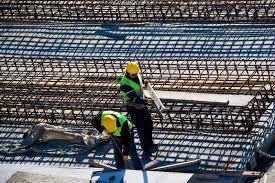
Reinforcement Detailing Services in Pakistan | ACCO
Expert Structural Solutions for Strong Foundations Reinforcement Detailing Services At Ahmed Construction Company, we provide precise reinforcement detailing for residential, commercial, and industrial projects. Our team of experienced engineers ensures that every beam, column, and slab is accurately designed and
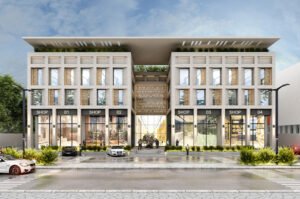
ACCO Best Residential High-Rise Buildings in Lahore
For better results, please try this: https://bit.ly/Jumma_GPTsGet My Prompt Library: https://bit.ly/J_Umma ACCO Best Residential High-Rise Buildings in Lahore Introduction ACCO Group has set a benchmark in Lahore’s real estate market with its exceptional residential high-rise buildings. This article explores ACCO’s
ACCO Luxury Apartments in Lahore: A New Standard of Living
ACCO Luxury Apartments in Lahore: A New Standard of Living Introduction Lahore, known for its rich cultural heritage and rapid modernization, is an attractive destination for luxury living. ACCO, a prominent real estate developer, is redefining the concept of luxury
WHO WE ARE
ABOUT AHMED CONSTRUCTION COMPANY Who We Are? Acco’s fast growing construction company based in Lahore, Pakistan. We undertake civil construction, interior designing & decoration and fabrication services of residential, institutional and commercial buildings throughout all over Pakistan. We are keen
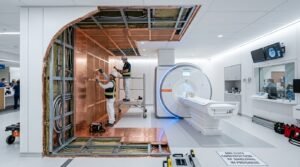
Diagnostic Imaging Center Architecture: MRI, CT-Scan & Nuclear Medicine Shielding | ACCO
Advanced diagnostic imaging—encompassing 1.5T and 3.0-Tesla Magnetic Resonance Imaging (MRI), multi-slice Computed Tomography (CT), Positron Emission Tomography (PET-CT), and digital fluoroscopy—represents both the primary diagnostic workhorse and the most technologically demanding department of a modern healthcare facility. A single spatial
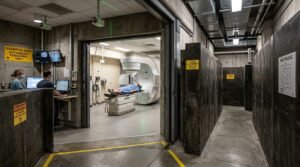
Cancer Hospital Design & Radiation Bunker Structural Engineering in Pakistan | ACCO
Developing a comprehensive oncology center is among the most demanding achievements in civil, structural, and medical architecture. Beyond outpatient clinics and surgical oncology wards, cancer treatment centers center around radiotherapy vaults: massive radiation bunkers that house high-energy Linear Accelerators (LINACs)

Cardiac Hospital Design & Cath Lab Planning in Pakistan | ACCO Healthcare
Cardiovascular disease remains the leading cause of mortality in South Asia, creating immense clinical demand for specialized cardiology institutes, catheterization laboratories (Cath Labs), and dedicated cardiothoracic surgical centers across Pakistan. However, designing a cardiac hospital is one of the most
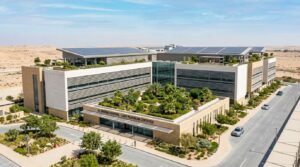
Sustainable & LEED-Certified Hospital Design in the GCC: Energy-Efficient Cooling & Facades
Hospitals are among the most energy-intensive commercial building types in the world. Operating 24 hours a day with stringent ventilation standards, continuous clinical equipment loads, and extensive water consumption, a typical hospital consumes up to three times more energy per