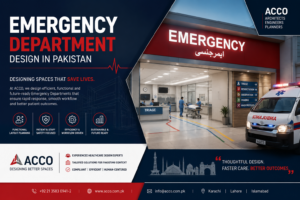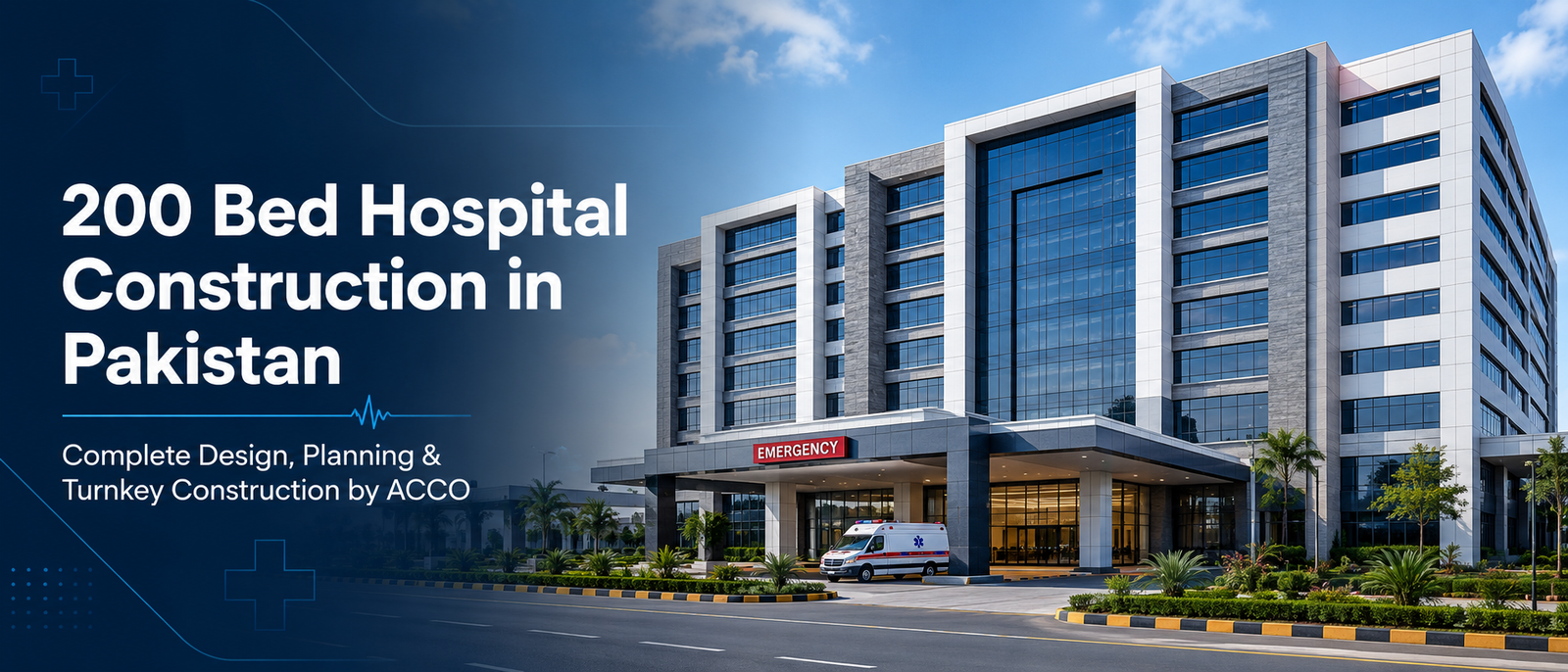
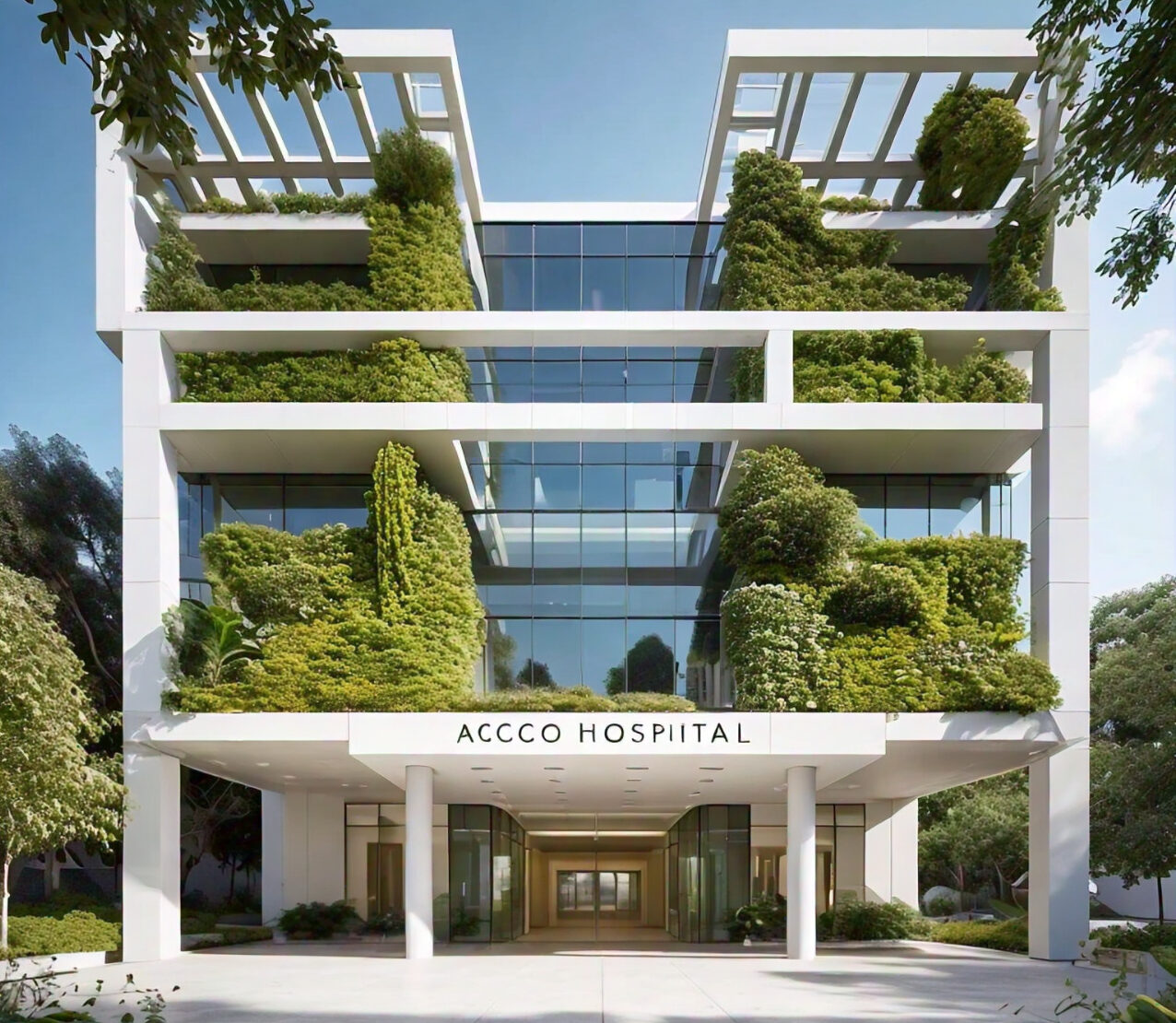
🏥 Smart Healthcare Facility Design – Future of Hospital Architecture in Pakistan
ACCO Construction, based in Lahore, Pakistan, is one of the country’s leading names in architectural design, hospital construction, and turnkey healthcare infrastructure development. With over two decades of experience in smart, sustainable, and technology-driven construction, ACCO specializes in creating modern hospitals and healthcare facilities that combine innovation, patient comfort, and operational efficiency.
🏗️ Introduction to ACCO Construction
ACCO Construction, based in Lahore, Pakistan, is one of the country’s leading names in architectural design, hospital construction, and turnkey healthcare infrastructure development. With over two decades of experience in smart, sustainable, and technology-driven construction, ACCO specializes in creating modern hospitals and healthcare facilities that combine innovation, patient comfort, and operational efficiency.
From designing high-tech hospitals to executing turnkey medical projects, ACCO has earned a reputation for quality, reliability, and compliance with international healthcare standards. The company’s multidisciplinary team of architects, engineers, and healthcare planners ensures that every project—whether a diagnostic center, clinic, or tertiary care hospital—is designed to promote healing, safety, and future adaptability.
🌐 Topic Introduction: The Future of Smart Healthcare Facility Design in Pakistan
The healthcare industry in Pakistan is rapidly evolving. With rising population, urban expansion, and post-pandemic awareness, the need for smart, efficient, and technology-integrated hospitals has never been greater.
Smart healthcare facility design focuses on integrating digital technology, sustainable architecture, and human-centered environments to improve medical outcomes and reduce operational inefficiencies. In Pakistan, this concept is transforming how hospitals are designed and built.
Hospitals today are no longer just buildings—they are intelligent ecosystems equipped with IoT devices, AI-based monitoring systems, and energy-efficient materials. ACCO Construction is at the forefront of this transformation, delivering smart healthcare infrastructure that aligns with global trends and local healthcare demands.
🏥 What Is Smart Healthcare Facility Design?
Smart healthcare facility design refers to the integration of advanced technologies—such as IoT (Internet of Things), Artificial Intelligence (AI), data analytics, and automation—within the hospital’s physical and operational environment.
🧠 Key Elements of Smart Hospital Design
Digital Infrastructure:
Centralized data systems for patient records.
AI-driven diagnostics and predictive healthcare.
Smart Building Systems:
Automated lighting, HVAC, and energy controls.
IoT-based maintenance and facility monitoring.
Patient-Centric Design:
Healing environments with natural lighting and ventilation.
Optimized space planning for privacy and comfort.
Sustainable Architecture:
Solar power integration.
Water recycling and energy-efficient insulation materials.
Future-Ready Flexibility:
Modular spaces for evolving medical needs.
Adaptable layouts for expanding departments or new technologies.
🧩 Importance of Smart Healthcare Design in Pakistan
In Pakistan’s growing urban and rural healthcare landscape, smart hospitals are becoming essential. Here’s why:
Operational Efficiency: Reduced downtime and energy waste.
Enhanced Patient Experience: Comfort-focused and digitally connected environments.
Improved Safety: Real-time monitoring systems to manage infections and security.
Sustainability: Environmentally responsible materials and energy solutions.
Scalability: Ability to adapt facilities for future healthcare technologies.
ACCO Construction recognizes these needs and designs healthcare buildings that integrate modern technology with patient well-being—ensuring hospitals are ready for the next generation of healthcare.
⚙️ Components of Smart Hospital Architecture
1. 🏗️ Structural Design and Planning
Earthquake-resistant construction.
Space zoning for critical care, diagnostics, and administration.
Patient and staff movement flow optimization.
2. 💡 Intelligent Building Management Systems (BMS)
Automated control of air, lighting, and temperature.
Remote operation and real-time data insights.
Integration with hospital management software.
3. 🌿 Green and Sustainable Features
Solar panels for renewable energy.
Smart waste management systems.
Water-efficient landscaping and plumbing systems.
4. 💻 Digital Integration
Smart sensors for patient monitoring.
Electronic Health Records (EHR) systems.
Mobile apps for patient-doctor interaction.
5. 🧍♂️ Human-Centered Design
Natural daylight and noise reduction materials.
Healing gardens and recreational zones.
Universal accessibility for differently-abled patients.
📊 Comparison Table: Traditional vs. Smart Hospital Design
| Feature | Traditional Hospital | Smart Hospital |
|---|---|---|
| Energy Management | Manual | Automated IoT-based |
| Patient Records | Paper-based | Digital Cloud System |
| Monitoring | Periodic checks | Real-time data monitoring |
| Maintenance | Reactive | Predictive |
| Patient Comfort | Basic | Personalized and tech-driven |
🌍 Global Trends Influencing Smart Healthcare Architecture
Telemedicine Integration: Remote consultation rooms and digital kiosks.
AI in Diagnostics: AI labs for radiology and pathology.
Touchless Technologies: Sensor-based doors, elevators, and dispensers.
Smart Security: Facial recognition and RFID tracking for staff/patients.
Sustainability Goals: Net-zero energy hospital designs globally.
ACCO Construction stays aligned with these global standards while adapting designs for Pakistan’s environmental and cultural context.
✅ Pros and Cons of Smart Healthcare Facility Design
🌟 Pros:
Improved operational efficiency
Enhanced patient experience
Better infection control
Energy and cost savings
Data-driven decision-making
Long-term sustainability
⚠️ Cons:
Higher initial setup cost
Need for specialized maintenance staff
Dependence on reliable electricity and internet
Cybersecurity concerns for patient data
🔍 FAQs – Smart Healthcare Design in Pakistan
1. What makes a hospital “smart”?
A smart hospital uses digital and automated systems to enhance operations, patient care, and energy management.
2. Is smart hospital construction expensive?
While the initial investment is higher, the long-term savings and efficiency outweigh the cost.
3. How can ACCO help design a smart hospital?
ACCO provides end-to-end hospital design and construction, integrating IoT systems, automation, and sustainable materials.
4. Are smart hospitals suitable for small cities in Pakistan?
Yes. Smart features can be scaled according to project size and local infrastructure.
5. How does smart design improve patient outcomes?
It ensures comfort, safety, and reduced stress, promoting faster recovery through optimized spaces and real-time monitoring.
🏁 Final Verdict
The future of hospital architecture in Pakistan is smart, sustainable, and technology-driven. With a focus on innovation, patient care, and operational excellence, ACCO Construction leads this transformation.
Whether it’s a large-scale hospital, a specialized clinic, or a rehabilitation center, ACCO ensures every project embodies efficiency, safety, and modern healthcare needs.
If you’re planning to build a smart healthcare facility, ACCO Construction is your trusted partner for turning visionary designs into reality.
🔗 Internal Links
🌐 External References
📞 Call to Action
Ready to design your smart healthcare facility?
Contact ACCO Construction today for a free consultation!
📍 Office: Office 2, 3rd Floor Bigcity Plaza, Gulberg-III, Lahore
📧 Email: info@acco.com.pk
📞 Phone: 0322-8000190
🌐 Website: www.acco.com.pk

Diagnostic Imaging Center Architecture: MRI, CT-Scan & Nuclear Medicine Shielding | ACCO
Advanced diagnostic imaging—encompassing 1.5T and 3.0-Tesla Magnetic Resonance Imaging (MRI), multi-slice Computed Tomography (CT), Positron Emission Tomography (PET-CT), and digital fluoroscopy—represents both the primary diagnostic workhorse and the most technologically demanding department of a modern healthcare facility. A single spatial
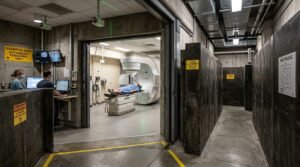
Cancer Hospital Design & Radiation Bunker Structural Engineering in Pakistan | ACCO
Developing a comprehensive oncology center is among the most demanding achievements in civil, structural, and medical architecture. Beyond outpatient clinics and surgical oncology wards, cancer treatment centers center around radiotherapy vaults: massive radiation bunkers that house high-energy Linear Accelerators (LINACs)

Cardiac Hospital Design & Cath Lab Planning in Pakistan | ACCO Healthcare
Cardiovascular disease remains the leading cause of mortality in South Asia, creating immense clinical demand for specialized cardiology institutes, catheterization laboratories (Cath Labs), and dedicated cardiothoracic surgical centers across Pakistan. However, designing a cardiac hospital is one of the most

Sustainable & LEED-Certified Hospital Design in the GCC: Energy-Efficient Cooling & Facades
Hospitals are among the most energy-intensive commercial building types in the world. Operating 24 hours a day with stringent ventilation standards, continuous clinical equipment loads, and extensive water consumption, a typical hospital consumes up to three times more energy per

Hospital Design and Construction in Kuwait: Regulatory Approvals & Planning Guide (2026)
The State of Kuwait represents one of the GCC’s highest-spending healthcare markets. Backed by New Kuwait Vision 2035 and the rapid expansion of the private health insurance sector (including the Afya program for retirees and expanding private corporate coverage), demand

Best Healthcare Architecture & Medical Engineering Firms in Kuwait
Designing a hospital is one of the most complex challenges in the architecture and construction industry. Unlike commercial towers or residential developments, a hospital is a living, high-tech machine operating 24 hours a day, 365 days a year. In Kuwait,

Hospital Construction Costs & Financial Feasibility in Kuwait (2026)
Constructing a hospital in Kuwait represents a substantial, high-yield capital investment. Supported by high per capita healthcare spending, an expanding private health insurance ecosystem, and demographic growth, healthcare real estate continues to outperform traditional retail and commercial assets. However, because

Smart & Digital Hospital Design in Qatar: AI Diagnostics, IoT & Smart Wards
Healthcare facilities are undergoing a paradigm shift from reactive treatment centers to hyper-connected, intelligent environments. In the State of Qatar, where national digital transformation agendas converge with high patient expectations, smart hospital design in Qatar is no longer an optional
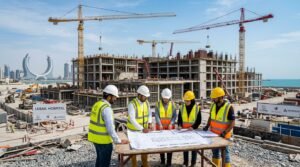
Hospital Construction Cost in Qatar (2026): Budgeting & Price Per Square Metre Guide
Accurate capital expenditure planning is the foundation of every successful hospital investment in the State of Qatar. As the country expands its healthcare infrastructure under Qatar National Vision 2030, investors and health systems face dynamic market conditions influenced by imported

Modern Hospital Design Standards in Qatar: Architecture & Clinical Flow Guide
Healthcare architecture in the Arabian Gulf has evolved far beyond traditional clinical sterility. In Qatar, under the stringent oversight of the Ministry of Public Health (MoPH) and Qatar Civil Defense Department (QCDD), hospital architecture must achieve three synchronized benchmarks: uncompromising

Hospital Design and Construction in Qatar: Complete Guide for Healthcare Investors (2026)
Driven by Qatar National Vision 2030 and the ongoing modernization of its National Health Strategy, the State of Qatar has established one of the world’s most advanced and rigorously regulated healthcare ecosystems. For healthcare operators, private equity funds, and international

International Hospital Design Consultants in Oman: Planning, Engineering & Construction
Every successful Omani hospital — private, institutional, or public-linked — was shaped by professional consultants long before construction began: validating the business case, navigating MoH requirements, engineering for the Sultanate’s three climates, and protecting the budget through tender and delivery.

Smart Hospital Design in Oman: AI, Digital Healthcare & Future-Ready Medical Facilities
Digital transformation is a pillar of Oman Vision 2040, and healthcare is among its priority sectors: national e-health initiatives, expanding electronic records, and telemedicine linking the Sultanate’s dispersed geography — from Musandam to Dhofar — to specialist care concentrated in

Sustainable Hospital Design in Oman: Green Healthcare Facilities & Energy-Efficient Hospitals
Oman Vision 2040 places sustainability at the center of the Sultanate’s development — and Oman’s net-zero 2050 commitment is steadily reshaping construction expectations. For hospitals, the most energy-intensive building type operating in Gulf heat, sustainable hospital design in Oman is

Hospital Construction Cost in Oman (2026): Complete Budget & Planning Guide
Oman’s quiet advantage in Gulf healthcare is cost: the Sultanate builds Gulf-standard hospitals 15–25% below UAE equivalents, while insured demand grows under the Dhamani program. This 2026 guide breaks down hospital construction cost in Oman: cost per square meter and