Zaha Hadid Architects to Revitalise Monaco’s Le Schuylkill Tower
By Tanveer Ahmed, CEO, Ahmed Construction Company (ACCO) · Updated · Reviewed by ACCO architects and engineers
Quick Answer
Zaha Hadid Architects to revitalise Monaco's Le Schuylkill Tower: vertical extension, seismic upgrade, new façade, low-carbon steel and lessons for Pakistan. Ahmed Construction Company (ACCO), based in Gulberg-III Lahore since 1998, provides ACCO design & construction services with design drawings free on award of construction.
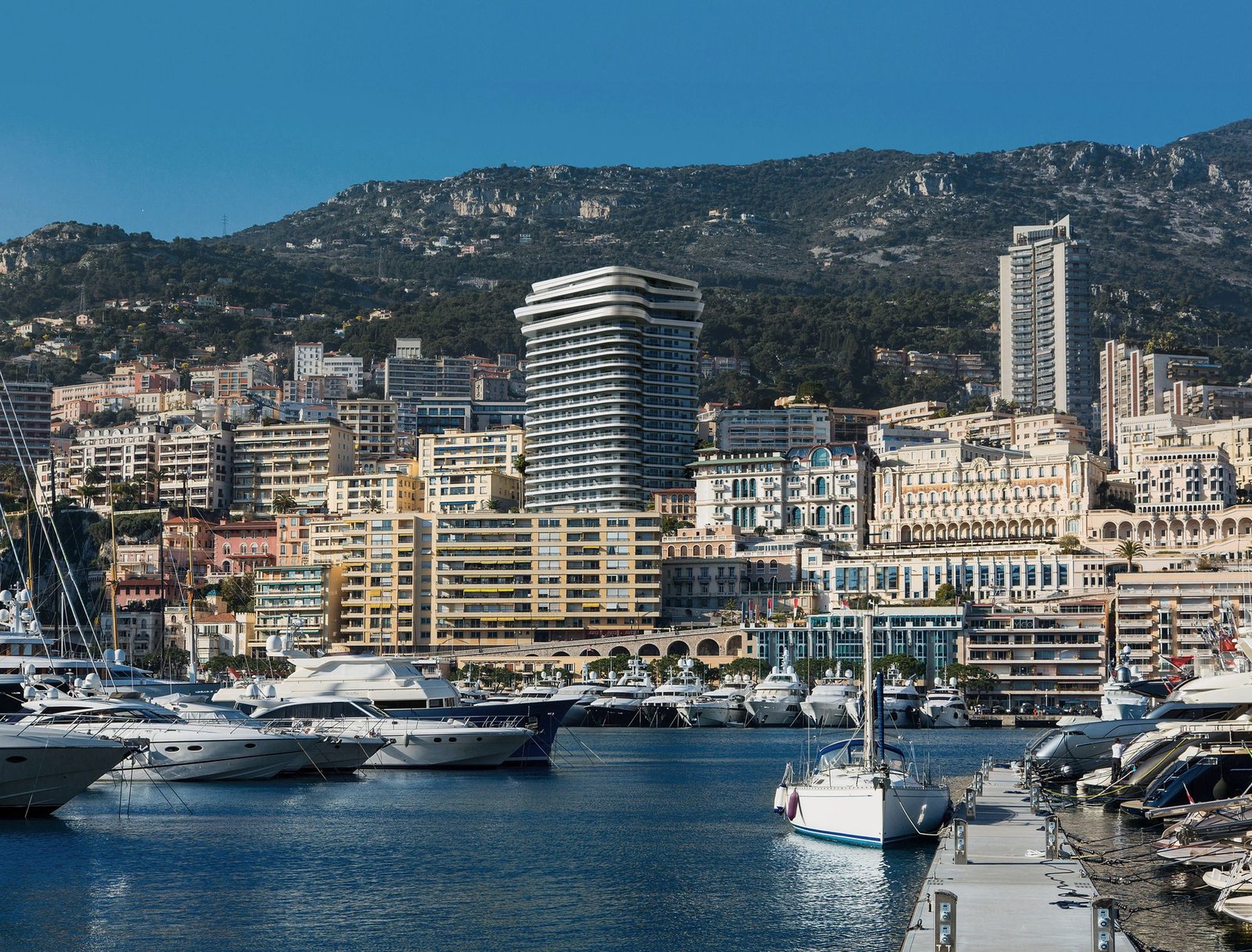
Zaha Hadid Architects (ZHA) is revitalising Le Schuylkill Tower, a 1963 residential building in Monte Carlo that is described as Monaco’s first high-rise. Rather than demolishing and rebuilding, the project keeps the original concrete structure, refurbishes every apartment, replaces the top floors with a lightweight steel extension and wraps the building in a new ventilated façade. Working with local firm Square Architects, ZHA is increasing the tower’s floor area while keeping its original footprint, with completion expected in 2027. This review looks at how the renovation works and what it teaches building owners and designers in Pakistan about extending and upgrading older towers.
Le Schuylkill Tower at a Glance
| Location | Avenue de la Costa, Monte Carlo, Monaco, overlooking Port Hercule |
|---|---|
| Original building | Residential tower completed in 1963 |
| Architects | Zaha Hadid Architects with Square Architects |
| Apartments | 188 units, from studios to four-bedroom family homes, plus six new penthouses |
| Floor area | From about 32,000 m² to about 41,000 m², within the existing footprint |
| Site | Steep plot with a 22-metre level difference between north and south boundaries |
| Expected completion | 2027 |
The Building and Its Site
Le Schuylkill Tower sits on a steep site above Port Hercule, with views over the harbour, the royal palace, the old town and the Mediterranean. The level difference across the plot is about 22 metres. To deal with this, the lower seven storeys are built into the rock face, while the upper 17 storeys are arranged as three blocks, each with its own vertical circulation core on the north side of the building.
The owner first asked ZHA to carry out a feasibility study to assess the tower’s development potential and the scope of renovation required. That study led to the appointment of ZHA, with Square Architects, to renovate and extend the building.
Design Approach: Renovate, Not Replace
The client wanted to preserve the design legacy of the 1963 structure while raising living standards to meet current expectations in Monaco. The renovation therefore works with the existing building rather than against it.
- All residential interiors are reconfigured and refurbished
- Original balconies are extended to create outdoor living rooms for each apartment
- A new residents’ entrance with a concierge desk is created on Avenue de la Costa
- The top two floors are replaced with three new floors supported by the existing structure
- The crown of the tower is reshaped to strengthen its connection with the avenue
Vertical Extension with Lightweight Steel
Adding floors to a 60-year-old concrete frame is the most technically demanding part of the project. To keep the added load low, the new structure for floors 15 to 18 uses lightweight, low-carbon steel, reported as ArcelorMittal’s XCarb product. Steel’s strength-to-weight ratio allows fully glazed walls with slim framing, open-plan layouts and cantilevers that form large terraces for the six new penthouses.
Before the extension could be designed, the existing concrete structure was subject to extensive surveying, monitoring and structural modelling, so that it could meet Monaco’s seismic standards and carry the new floors.
A New Façade and Better Envelope
The tower receives a new ceramic rainscreen façade with a ventilated cavity and improved thermal insulation. Coated aluminium panels clad the fascias of the new terraces and balconies, and a stainless-steel canopy marks the entrance lobby. A ventilated rainscreen protects the structure from weather, reduces heat gain and gives the building a new appearance without changing its form.
Ceramic rainscreen
Durable outer layer with a ventilated cavity behind it to shed rain and heat.
Added insulation
Reduces heating and cooling demand for every apartment.
Aluminium fascias
Lightweight cladding for the extended balconies and terraces.
Sustainability Through Reuse
The project’s environmental strategy rests on keeping what already exists. Preserving the concrete structure avoids the large carbon emissions associated with demolition and new concrete. The design team also emphasises recycling, reuse and repurposing of building components, materials, equipment and systems. Operationally, the tower moves away from fossil-fuel energy supplies towards renewable sources. Together these measures aim to reduce the building’s whole-life carbon emissions.
Raising Living Standards Inside the Apartments
Many towers of the 1960s were designed around smaller households, lower expectations of comfort and very different building services. Le Schuylkill Tower’s 188 apartments range from studios to four-bedroom family homes, and the renovation reconfigures and refurbishes all of them rather than simply redecorating.
Outdoor living
The most visible change for residents is the extension of the original balconies into outdoor living rooms. In a climate like Monaco’s, usable outdoor space adds considerably to the value and enjoyment of an apartment, and it also provides shading to the façade behind.
Arrival and shared spaces
A new entrance with a concierge desk on Avenue de la Costa gives the tower a clear public address and a level of service expected in contemporary residential buildings.
Services and comfort
Moving the building away from fossil-fuel energy, together with the new insulated façade, changes how apartments are heated and cooled and reduces running costs for residents.
Working with a Steep, Rock-Cut Site
The tower’s relationship with its site is unusual. Its lower seven storeys are set into the rock, so part of the building acts as a retaining structure while the upper floors stand free. Any renovation must respect this arrangement. Changes to loads at the top of the building affect the foundations and the rock-embedded floors below, and waterproofing and drainage behind the retained levels must be maintained. Renovation of the three upper blocks, each with its own north-side core, also allows work to be organised block by block, which can simplify construction logistics on a constrained hillside site.
Renovation vs Demolition and Rebuild
| Factor | Renovate and extend | Demolish and rebuild |
|---|---|---|
| Embodied carbon | Much lower, structure retained | High, new structure and demolition waste |
| Structural risk | Requires detailed survey and possible strengthening | Designed new to current codes |
| Design freedom | Limited by existing grid and cores | Full freedom within planning rules |
| Planning | Footprint and heritage value preserved | May face new height or setback limits |
| Floor area | Can increase through extensions | Depends on current zoning |
How a Tower Renovation of This Kind Proceeds
Feasibility
Development potential and renovation scope assessed.
Structural survey
Existing frame surveyed, monitored and modelled against seismic standards.
Design
Interiors, façade and lightweight extension designed together.
Construction
Phased works on the occupied or vacated tower through to completion.
Lessons for Pakistan
Pakistan’s cities, particularly Karachi and Lahore, have many apartment and commercial buildings from the 1960s to the 1990s that are now ageing. Le Schuylkill Tower offers useful lessons for their owners and for designers.
Start with a feasibility study
The Monaco project began with a study of what the tower could become. Owners here should do the same before deciding to demolish, renovate or extend, testing structural capacity, planning rules and market value.
Never extend without a structural assessment
Adding floors to older buildings is common in Pakistan, often without proper checks. Much of the country is seismically active, so any vertical extension should be based on a survey, material testing and analysis by a PEC-registered structural engineer under the Building Code of Pakistan, and approved by the relevant authority such as LDA in Lahore.
Use lightweight systems for additions
Steel or composite structures for added floors reduce the load on old foundations and columns compared with heavy RCC, and can be built faster.
Upgrade the envelope
Ventilated façades, insulation and shading cut cooling costs, which are a major expense in Pakistan’s climate.
Reuse to save carbon and cost
Keeping a sound structure is usually cheaper and lower in carbon than rebuilding. ACCO’s building renovation and restoration services follow this approach.
Frequently Asked Questions
What is Le Schuylkill Tower?
It is a residential tower in Monte Carlo, completed in 1963 and described as Monaco’s first high-rise building, with views over Port Hercule.
Who is renovating Le Schuylkill Tower?
Zaha Hadid Architects, working with local firm Square Architects, following a feasibility study commissioned by the owner.
How much floor area is being added?
The floor area is increasing from about 32,000 m² to about 41,000 m² without enlarging the building’s footprint.
Why is lightweight steel used for the new floors?
Lightweight low-carbon steel reduces the load on the existing concrete structure and allows open plans, large glazing and cantilevered terraces for the penthouses.
When will the renovation be completed?
Completion has been reported as expected in 2027.
Can older buildings in Pakistan be extended the same way?
Sometimes, but only after a structural assessment and with approval from the local authority. Lightweight systems and seismic strengthening may be needed. See ACCO’s services for structural and renovation support.
Conclusion
ZHA’s revitalisation of Le Schuylkill Tower shows that an ageing tower can gain new floors, a new façade and modern apartments while keeping its original structure and character. The approach depends on careful feasibility work, thorough structural assessment and lightweight construction for the additions. For Pakistan’s many older buildings, the same principles offer a safer and lower-carbon alternative to demolition. For more on high-rise design in Lahore, see ACCO’s guide to apartment building construction in Lahore.
Related articles
ACCO services
Contact ACCO
- +92 322 8000190
- info@acco.com.pk
- Office 2, 3rd Floor, Bigcity Plaza, Gulberg-III, Lahore
Planning a Project with ACCO?
Architecture, engineering and construction from one Lahore team since 1998. Design drawings are free when ACCO is awarded the construction.
Discuss Your ProjectWhatsApp +92 322 8000190