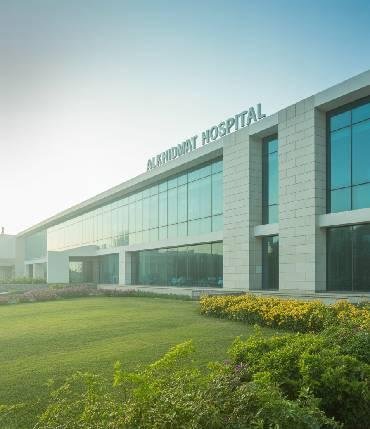

Smart Hospital Design in Asia: AI, Digital Healthcare & Future Hospitals
The hospitals opening across Asia in 2027 are as much technology platforms as buildings. AI-assisted diagnostics, IoT patient monitoring, telemedicine, and digital operations are transforming clinical care — but only in facilities designed for them. Smart hospital design in Asia means building the digital backbone into the architecture from day one, because retrofitting technology into a finished hospital costs three to five times more.
🧠 What Makes a Hospital “Smart”?
A smart hospital connects clinical systems, building systems, and operations on one digital infrastructure: electronic medical records integrated with medical devices, real-time location systems (RTLS) tracking equipment and patients, AI-supported imaging and triage, automated pharmacy and logistics, and a building management system (BMS) optimizing energy and air quality continuously.
🏗️ Designing the Digital Backbone
1. Structured Cabling and Network Architecture
Plan redundant fiber backbones, dense Wi-Fi 6/7 coverage including shielded areas, and dedicated networks for medical devices separated from guest traffic. Every patient room, OT, and corridor is a network node.
2. Server, Data, and Cloud Strategy
Even cloud-first hospitals need on-premise capacity for imaging (PACS) and life-critical systems. Design proper data rooms with cooling, fire suppression, and UPS — undersized IT rooms are the most common smart-hospital design failure in Asia.
3. Telemedicine and Hybrid Care Spaces
Dedicated teleconsultation suites, digitally equipped tumor-board rooms, and remote ICU monitoring stations extend the hospital’s reach across regions — vital for hub-and-spoke networks serving smaller Asian cities.
4. Smart Building Systems
BMS-controlled HVAC, occupancy-based lighting, smart access control, and energy dashboards typically cut operating costs 15–25% while maintaining clinical air standards.
5. Future-Proofing
Spare conduit capacity, accessible ceiling zones, and modular room designs let the hospital absorb the next decade of technology without demolition.
🤖 AI in the 2027 Asian Hospital
AI triage in emergency departments, radiology co-reading, predictive bed management, and AI-driven maintenance are now standard features in new tertiary hospitals across Asia. The design implication: more data infrastructure, flexible workstations, and command-center spaces — all cheaper to plan than to retrofit.
🏥 Building Smart Hospitals with ACCO
ACCO integrates ICT and smart-building design into hospital architecture and MEP engineering from the first sketch. With 25+ years of construction experience and healthcare projects including LDMC and MCH Islamkot, we deliver future-ready hospitals across Asia and Africa — smart by design, not by patchwork.
❓ Frequently Asked Questions
How much does smart infrastructure add to hospital cost?
Typically 4–8% of construction cost for full ICT, BMS, and smart systems — versus 15–25% if retrofitted later.
Do smart hospitals need special approvals?
Data protection and medical-device regulations apply; design documentation should address patient-data security from the start.
Can a mid-size hospital afford smart design?
Yes — a phased smart-ready approach installs the backbone now and adds systems as budgets allow.
Planning a future-ready hospital? Talk to ACCO about smart hospital design.


Best Hospital Architects in Pakistan | ACCO Healthcare Design