
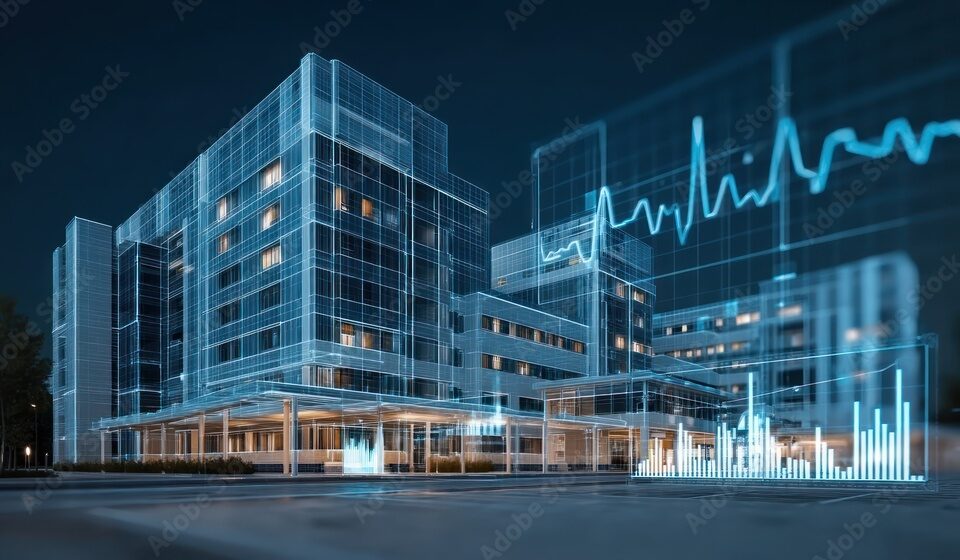
Complete Healthcare Ecosystem in Pakistan: Facilities, Departments and Services
By Tanveer Ahmed, CEO, Ahmed Construction Company (ACCO) · Updated · Reviewed by ACCO architects and engineers
Quick Answer
The complete healthcare ecosystem in Pakistan explained: primary, secondary and tertiary care, private facilities, diagnostics, regulators and what they need. Ahmed Construction Company (ACCO), based in Gulberg-III Lahore since 1998, provides hospital design & construction services with design drawings free on award of construction.
Pakistan’s health system is a network of public and private facilities, regulators, suppliers and services that together deliver care to a very large population. For anyone planning to build or invest in a hospital, clinic or diagnostic centre, understanding the complete healthcare ecosystem in Pakistan is the starting point. It shows where a new facility fits, which services patients will expect, who it will refer to and receive referrals from, and which authorities it must satisfy. This guide explains the levels of care, the main facility types, the departments and support services inside them, and what each means for planning and construction.
Pakistan’s Healthcare Ecosystem at a Glance
| Levels of care | Primary (community and first contact), secondary (district and tehsil hospitals), tertiary (teaching and specialist hospitals) |
|---|---|
| Providers | Federal and provincial governments, armed forces and other public bodies, private hospitals and clinics, charitable and non-profit organisations |
| Support network | Diagnostic laboratories and imaging centres, pharmacies and drug distribution, blood banks, ambulance and rescue services, digital health |
| Regulators | Provincial health departments and healthcare commissions such as the Punjab Healthcare Commission, national regulators for medicines and for medical and dental education |
| International reference | WHO health system and facility guidance |
How Healthcare Is Organised in Pakistan
Since the 18th Constitutional Amendment in 2010, health has been mainly a provincial responsibility. Each province runs its own health department, sets its own priorities and operates most public facilities. Federal bodies continue to handle certain national functions, such as drug regulation, disease surveillance, international health regulations and some vertical programmes. Alongside the public system, a large private sector, ranging from single-doctor clinics to major hospitals, provides a significant share of outpatient and inpatient care. Charitable and non-profit hospitals also play an important role in many cities.
The Three Levels of Care
Primary healthcare
Primary care is the first point of contact. In the public sector it includes Basic Health Units, Rural Health Centres, dispensaries and maternal and child health centres, supported by community health workers who deliver services at household level. Primary facilities focus on common illnesses, immunisation, antenatal care, family planning, nutrition and referral. In cities, private general practitioners, family clinics and pharmacies also act as first contact. See our guide to primary healthcare clinic design.
Secondary healthcare
Secondary care is provided by Tehsil Headquarters and District Headquarters hospitals in the public sector, and by many private general hospitals. These facilities typically offer emergency care, general medicine, general surgery, obstetrics and gynaecology, paediatrics, basic imaging and laboratory services, and inpatient wards. They receive referrals from primary care and refer complex cases upward.
Tertiary healthcare
Tertiary care is delivered by teaching hospitals attached to medical colleges, specialist institutes and large private hospitals. They provide sub-specialities such as cardiology, neurosurgery, oncology, nephrology and transplant services, advanced imaging, intensive care and training for doctors, nurses and allied health professionals.
| Level | Typical facilities | Main services | Planning implications |
|---|---|---|---|
| Primary | BHU, RHC, dispensary, GP clinic, family health centre | Outpatient care, immunisation, maternal and child health, basic lab | Small, simple buildings close to communities; good access and waiting space |
| Secondary | THQ and DHQ hospitals, private general hospitals | Emergency, general surgery, obstetrics, paediatrics, imaging, wards | Operation theatres, labour rooms, imaging, medical gases, standby power |
| Tertiary | Teaching hospitals, specialist institutes, large private hospitals | Sub-specialities, ICUs, advanced imaging, research and training | Complex MEP, large critical care, teaching space, expansion capacity |
Facility Types in the Ecosystem
Clinics
Single or group practices offering consultation and minor procedures.
Medical centres and polyclinics
Multiple specialities, diagnostics and day procedures under one roof.
General hospitals
Emergency, surgery, maternity, paediatrics and inpatient care.
Specialist hospitals
Focused on one field such as cardiac, eye, cancer, kidney or mother and child care.
Diagnostic centres
Laboratories, radiology and imaging serving many referring doctors.
Rehabilitation and long-term care
Physiotherapy, rehabilitation, mental health and elderly care.
The differences between these types are explained in medical centre vs hospital vs clinic.
Departments Inside a Hospital
Within secondary and tertiary hospitals, services are organised into departments that depend on each other. The main groups are:
- Emergency and trauma: triage, resuscitation, observation and minor procedures.
- Outpatient departments: consultation rooms grouped by speciality.
- Diagnostics: laboratory, X-ray, ultrasound, CT, MRI and other imaging.
- Surgical services: operation theatres, day surgery, recovery and CSSD.
- Critical care: ICU, CCU, NICU and high-dependency units.
- Maternity and child health: labour suites, obstetric theatres, postnatal wards and paediatrics.
- Inpatient wards: medical, surgical and specialist wards.
- Support services: pharmacy, kitchen, laundry, stores, medical records, waste management and engineering.
A fuller list is in our guide to hospital departments and services.
The Support Network Around Facilities
Diagnostics
Large laboratory networks with collection points across cities process samples for many clinics and hospitals. Independent imaging centres provide CT, MRI and other scans. New facilities need to decide which tests they will perform in-house and which they will send out.
Medicines and supplies
Pharmaceutical manufacturers, importers, distributors and retail pharmacies form the medicine supply chain, overseen by the national drug regulator. Hospitals need secure pharmacy stores, cold-chain storage for vaccines and some medicines, and controlled-drug storage.
Emergency and ambulance services
Provincial rescue services, charitable ambulance networks and hospital-based ambulances move patients to care. Hospital design must provide ambulance bays, clear emergency access and good links between emergency, imaging, theatres and ICU.
Digital health and financing
Electronic records, telemedicine, online appointment systems and digital imaging are becoming common. Government health insurance schemes in several provinces allow eligible families to receive treatment at empanelled public and private hospitals, which affects the mix of patients and the services hospitals choose to offer.
Regulation and Licensing
Any new facility must deal with several regulators. Building plans need approval from the local development authority, municipal body or cantonment board. The facility itself must be registered and licensed by the provincial healthcare commission, which sets minimum service delivery standards covering staffing, equipment, infection control and premises. Radiation equipment, pharmacies and teaching programmes each have their own regulators. Our guide to Punjab Healthcare Commission hospital requirements explains the Punjab process.
What the Ecosystem Means for Building Design
Each part of the healthcare ecosystem places different demands on buildings. Understanding them helps owners avoid both over-building and under-building.
Primary facilities
Primary care buildings are usually single or two-storey, with consultation rooms, a small procedure room, immunisation space, a basic laboratory, a pharmacy counter and generous waiting areas. The priorities are easy access, natural ventilation and daylight where possible, durable low-maintenance finishes and reliable water and power. In rural areas, solar power and water storage are often essential.
Secondary hospitals
District-level hospitals need operation theatres, labour suites, an emergency department, imaging, a laboratory, inpatient wards and support services such as kitchen, laundry and CSSD. That brings medical gas pipelines, standby generators, controlled ventilation in theatres and proper waste management. The layout must separate patient, staff, supply and waste flows.
Tertiary and specialist hospitals
Teaching and specialist hospitals carry the most complex requirements: large critical care units, multiple theatres including hybrid or specialist suites, MRI and CT, radiation bunkers for cancer treatment, dialysis water systems, research laboratories and teaching space. Structural grids, floor heights and service shafts must allow for heavy equipment and frequent change over the building’s life.
Diagnostic centres
Laboratories and imaging centres need stable power, shielding for radiation equipment, specialised ventilation for some laboratory areas, and smooth patient flow for high daily volumes.
Planning a Facility That Fits the Ecosystem
Define the role
Decide which level of care and which services the facility will provide.
Map referrals
Identify where patients will come from and where complex cases will go.
Size the services
Set bed numbers, theatres, imaging and outpatient capacity through feasibility.
Design for licensing
Build the regulator’s requirements into the layout from the start.
Common Planning Mistakes
- Building a hospital without a clear role, so services overlap with nearby facilities
- Underestimating diagnostic and support space
- Ignoring ambulance access and emergency links
- Discovering licensing requirements after construction
- Leaving no space to grow as services and demand change
Frequently Asked Questions
What are the levels of healthcare in Pakistan?
Primary care (BHUs, RHCs, clinics), secondary care (tehsil and district hospitals and private general hospitals) and tertiary care (teaching hospitals and specialist institutes).
Who regulates hospitals in Pakistan?
Health is mainly a provincial responsibility. Provincial health departments and healthcare commissions license and inspect facilities, while national bodies regulate medicines and medical education.
What is the difference between a THQ and a DHQ hospital?
A Tehsil Headquarters hospital serves a tehsil, while a District Headquarters hospital serves a whole district and usually offers a wider range of specialities and receives referrals from THQs.
Where do private hospitals fit in the ecosystem?
Private facilities operate at every level, from single-doctor clinics to large tertiary hospitals, and provide a large share of care in urban areas.
What should investors decide before building a healthcare facility?
The level of care, target services, catchment population, referral links, licensing requirements and budget. A feasibility study brings these together before design.
Can ACCO help plan and build healthcare facilities?
Yes. ACCO provides feasibility, design and turnkey hospital construction, from clinics to multi-speciality hospitals, priced through an itemised BOQ.
Conclusion
The complete healthcare ecosystem in Pakistan links community clinics, district hospitals, teaching institutes, private providers, diagnostics, pharmacies, ambulance services and regulators. A new facility succeeds when its role in that network is clear from the start. Defining the level of care, planning referrals and designing for licensing early lead to buildings that serve patients well and remain viable for years. For budgeting, see the hospital construction cost guide.
Related articles
Contact ACCO
- +92 322 8000190
- info@acco.com.pk
- Office 2, 3rd Floor, Bigcity Plaza, Gulberg-III, Lahore
Planning a Project with ACCO?
Architecture, engineering and construction from one Lahore team since 1998. Design drawings are free when ACCO is awarded the construction.
Discuss Your ProjectWhatsApp +92 322 8000190
Best Hospital Architects in Pakistan | ACCO Healthcare Design
