Smart Hospital Design and Construction in Lahore 2026-27: Planning, Safety, MEP and Cost Guide
Meta Title: Smart Hospital Design and Construction in Lahore 2026-27 | ACCO
Meta Description: ACCO explains smart hospital design and construction in Lahore for 2026-27, including planning, patient flow, infection control, MEP systems, fire safety, equipment planning, cost control, and turnkey healthcare construction.
Focus Keyword: Hospital Design and Construction in Lahore
Suggested Slug: smart-hospital-design-construction-lahore-2026-acco
Excerpt: A complete ACCO guide for doctors, healthcare investors, clinic owners, and hospital developers who want to plan a modern, safe, efficient, and future-ready hospital building in Lahore and across Pakistan.
SEO Tags: Hospital Design Lahore, Hospital Construction Pakistan, Healthcare Architecture, Hospital MEP Services, Operation Theater Design, ICU Design, Turnkey Hospital Construction, ACCO Construction, Hospital Planning Pakistan, Medical Facility Design
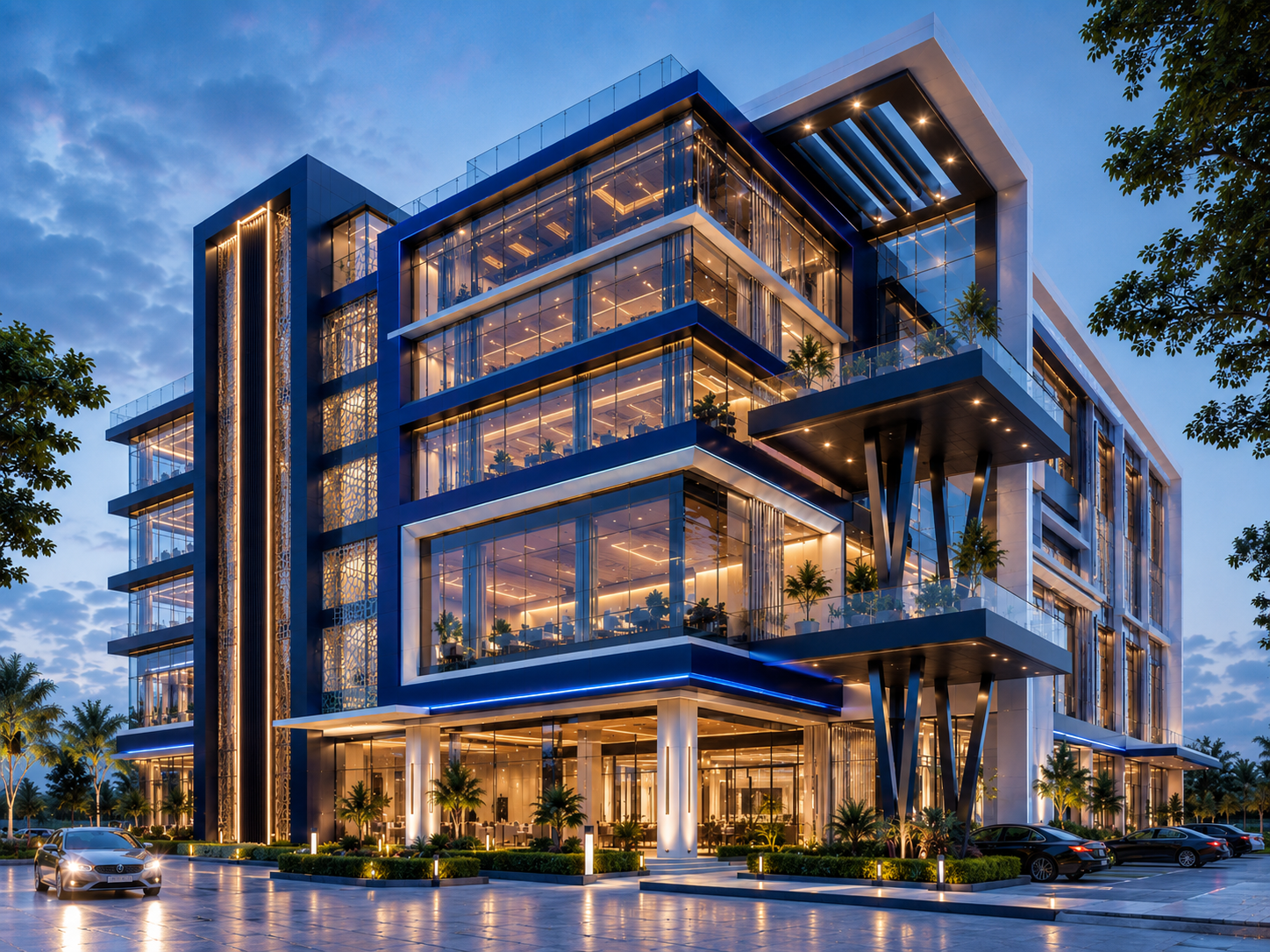
Featured Image Direction: Dark modern hospital exterior, navy blue night theme, minimal text, premium healthcare building, soft professional lighting, clear hospital entrance, clean road access, subtle ACCO branding, no crowded text.
Smart Hospital Design and Construction in Lahore 2026-27: Planning, Safety, MEP and Cost Guide | ACCO
Healthcare construction in Lahore is changing quickly. A hospital building is no longer only a structure with rooms, wards, operation theaters, and reception counters. In 2026-27, a successful healthcare facility must be planned as a complete life-supporting environment where patients, doctors, nurses, attendants, medical equipment, emergency services, infection control systems, MEP networks, fire safety routes, and hospital operations work together without confusion. This is why professional hospital design and construction in Lahore has become a highly specialized field.
ACCO Construction has prepared this testing blog as a practical guide for healthcare investors, doctors, hospital owners, clinic owners, diagnostic center developers, and medical project planners who want to understand how a modern hospital should be designed before construction begins. The purpose of this article is to explain the topic in depth and also test the complete website publishing workflow with proper SEO structure, internal links, external links, a useful comparison table, tags, and featured image handling.
In Pakistan, many healthcare projects face problems because construction starts before the medical planning is complete. The plot is purchased, a general building layout is prepared, and civil work begins quickly. Later, when the client decides the exact placement of operation theaters, ICUs, emergency department, medical gases, HVAC ducts, sterilization areas, labs, pharmacy, imaging rooms, lifts, and patient circulation, the building already has limitations. This creates cost escalation, design conflicts, rework, and operational inefficiency. ACCO recommends the opposite approach: hospital planning first, construction second.
Why Hospital Design Needs a Specialized Construction Approach
A hospital is different from a house, commercial plaza, office building, school, or warehouse. It operates continuously, handles vulnerable patients, requires controlled hygiene, uses critical medical equipment, and depends on uninterrupted utilities. A small design mistake can affect patient comfort, staff efficiency, infection control, emergency response, and long-term maintenance. For example, if a hospital corridor is too narrow, patient beds and wheelchairs may not move smoothly. If the emergency entrance is poorly located, ambulances can face delays. If the operation theater HVAC is not coordinated early, ceiling height and duct routing can become a serious problem. If medical gas pipes are added after construction, walls and slabs may need cutting.
Professional hospital design considers clinical function, construction quality, safety, and future expansion at the same time. ACCO Construction works on hospital architecture, structural design, MEP planning, firefighting coordination, interior finishing, medical space planning, and turnkey construction so that the hospital is not only attractive but also practical for daily healthcare operations. This integrated method helps clients avoid the common mistake of treating hospital construction as ordinary commercial construction.
The 2026-27 Healthcare Development Opportunity in Lahore
Lahore is one of Pakistan’s largest healthcare markets. It has major hospitals, medical colleges, diagnostic centers, private clinics, specialty hospitals, and day-care surgical centers. Demand is growing in areas such as DHA, Gulberg, Johar Town, Bahria Town, Raiwind Road, Ferozepur Road, Canal Road, Multan Road, Model Town, Valencia, Lake City, and surrounding developing zones. Patients want modern facilities, doctors want better clinical environments, and investors want healthcare buildings that can generate long-term value.
However, opportunity also brings competition. A new hospital must compete not only through doctors and services but also through the quality of the built environment. Patients notice cleanliness, reception flow, waiting area comfort, parking, emergency access, signage, washrooms, lighting, indoor air quality, privacy, and staff coordination. Doctors and consultants notice OT quality, ICU planning, diagnostic access, staff rooms, sterile zones, nurse stations, and equipment integration. A hospital that is well planned from the beginning becomes easier to operate and easier to market.
Core Planning Principles for a Modern Hospital
Every hospital project starts with a clear medical brief. Before drawing walls and columns, the project team must understand the type of hospital, the bed capacity, specialties, service model, expected patient volume, medical equipment needs, future expansion plan, budget, and authority requirements. A 30-bed specialty hospital is different from a 100-bed general hospital. A fertility center is different from a cardiac facility. A diagnostic center is different from a surgical hospital. The design should follow the function, not the other way around.
1. Patient Flow and Zoning
Patient flow is the movement of patients from arrival to registration, consultation, diagnostics, treatment, admission, discharge, or emergency care. Good patient flow reduces confusion and improves staff productivity. Public zones such as reception, waiting, OPD, pharmacy, and billing should be easy to find. Semi-restricted zones such as diagnostics, procedure rooms, and wards should be controlled. Restricted zones such as operation theaters, CSSD, ICU, and sterile areas should have strict access planning. When these zones are mixed without control, hospitals become crowded and difficult to manage.
2. Emergency and Ambulance Access
The emergency department must be positioned for fast access. Ambulance entry, stretcher movement, trauma rooms, emergency observation, imaging access, pharmacy support, and emergency staff circulation should be coordinated. A common mistake is placing emergency services where the front elevation looks good but emergency movement is not practical. ACCO studies the site approach, road width, parking, drop-off, entry gates, and internal circulation before finalizing emergency planning.
3. Operation Theater Planning
Operation theaters require specialized design. OT planning includes sterile access, scrub area, pre-op, post-op, recovery, clean corridor, dirty corridor where applicable, medical gases, HVAC, pressure relationships, OT lights, pendant systems, flooring, wall finishes, ceiling panels, and infection control. A well-designed OT is not just a room; it is a controlled clinical system. Late OT planning can create expensive rework because HVAC ducts, medical gases, electrical loads, and equipment supports must be integrated with the structure and ceiling.
4. ICU and Critical Care Design
ICU planning must consider patient visibility, nurse station location, medical gas points, electrical sockets, monitoring systems, isolation rooms, handwash areas, equipment movement, family control, and infection control. Critical care areas also require reliable power backup and coordinated HVAC. If the ICU is placed far from emergency, OT, or diagnostic support, clinical workflows can become inefficient. ACCO designs ICU areas with both medical function and building services in mind.
5. MEP Systems for Hospitals
MEP stands for mechanical, electrical, and plumbing. In hospitals, MEP is one of the most important parts of the entire project. Mechanical systems include HVAC, ventilation, exhaust, pressurization, and sometimes specialized air handling for clinical spaces. Electrical systems include power distribution, UPS, generator backup, emergency lighting, nurse call, fire alarm, CCTV, access control, and equipment loads. Plumbing includes water supply, drainage, waste lines, medical support areas, and clean utility systems. A hospital with weak MEP planning may look complete but fail during operation.
Comparison Table: Ordinary Building vs Smart Hospital Building
| Planning Area | Ordinary Commercial Building | Smart Hospital Building | Why It Matters |
|---|---|---|---|
| Circulation | Designed mainly for visitors and tenants | Designed for patients, stretchers, wheelchairs, staff, supplies, and emergency movement | Improves safety, speed, and patient comfort |
| MEP Systems | Basic electrical, plumbing, and HVAC | Specialized HVAC, medical equipment loads, emergency power, medical gases, and controlled ventilation | Supports continuous hospital operation |
| Fire Safety | Standard exits and equipment | Planned exits, emergency lighting, alarms, firefighting systems, staff response routes, and oxygen safety | Protects patients who may not evacuate quickly |
| Infection Control | Usually not a core design concern | Integrated through zoning, finishes, handwash points, ventilation, waste flow, and sterile planning | Reduces infection risk and supports quality care |
| Equipment Planning | Equipment added after construction | Equipment dimensions, loads, services, access, and installation requirements planned early | Prevents rework and costly site modifications |
| Future Expansion | Often ignored | Planned through structural, service, and space flexibility | Allows the hospital to grow with demand |
Infection Control and the Built Environment
Hospital infection control is not limited to cleaning staff and medical protocols. The building itself plays a major role. Space planning, handwash stations, isolation rooms, ventilation, material selection, waste routes, CSSD planning, laundry areas, and patient flow all affect infection prevention. International healthcare guidance continues to emphasize hygiene, water, sanitation, and infection prevention in health facilities. Developers can review more from WHO.
In Lahore and Punjab, healthcare projects also need to consider local regulatory expectations. Hospital owners should review applicable licensing and service delivery requirements before finalizing design and operations. More information can be reviewed from the Punjab Healthcare Commission.
Fire Safety in Hospital Construction
Fire safety in hospitals is more complex than in many other building types because patients may be unconscious, elderly, disabled, recovering from surgery, connected to medical equipment, or unable to move without assistance. Fire safety planning should include emergency exits, smoke control, fire alarms, firefighting systems, emergency lighting, safe oxygen storage, electrical safety, staff training support, and clear evacuation routes. Developers can review general fire safety resources from NFPA.
ACCO recommends that fire safety be integrated at the concept stage. Staircases, ramps, emergency exits, firefighting pipes, pump rooms, water storage, shaft planning, and alarm systems should be coordinated with architecture and structure. When these items are added late, the building may need compromises.
Hospital Construction Cost Planning
Hospital construction cost depends on plot size, covered area, number of floors, basement requirement, bed capacity, medical departments, structure type, finishing quality, HVAC requirement, firefighting system, electrical backup, medical gases, elevators, facade, interiors, and equipment scope. Instead of using one general rate, ACCO recommends preparing a detailed BOQ based on drawings and technical scope.
Cost planning should separate civil work, structure, MEP, finishing, facade, medical planning, equipment support, and external development. This gives the owner a clearer picture of where money is being spent.
Suggested Budget Breakdown Table
| Cost Component | What It Includes | Planning Priority | Common Risk If Ignored |
|---|---|---|---|
| Architectural Planning | Layouts, zoning, elevations, authority drawings, clinical circulation | Very High | Wrong department placement and poor patient flow |
| Structural Works | Foundation, columns, beams, slabs, stairs, structural safety | Very High | Weak future expansion and expensive redesign |
| MEP Services | Electrical, HVAC, plumbing, firefighting, medical support systems | Very High | Operational failures after handover |
| Interior Finishing | Floors, walls, ceilings, doors, counters, lighting, patient areas | High | Poor patient experience and high maintenance |
| Medical Equipment Support | Equipment rooms, power loads, HVAC, shielding where required, installation access | High | Equipment cannot be installed properly |
| External Development | Parking, ambulance access, drainage, ramps, signage, landscaping | Medium to High | Traffic congestion and weak first impression |
Interior Design for Patient Trust
Hospital interior design should create confidence, comfort, and clarity. Patients and attendants are often stressed when they enter a healthcare building. A clean reception, clear signage, comfortable waiting area, good lighting, hygienic finishes, and organized circulation can reduce anxiety. Interior design should not be only decorative. It should support wayfinding, infection control, cleaning, acoustic comfort, privacy, and durability.
ACCO designs healthcare interiors with practical material selection. Flooring should be durable and easy to clean. Walls should withstand traffic and maintenance. Ceilings should allow access to services where required. Counters should support patient registration and billing flow.
Diagnostic Centers and Day-Care Facilities
Not every healthcare project is a full hospital. Lahore also has strong demand for diagnostic centers, day-care surgical centers, dialysis centers, dental clinics, eye centers, fertility centers, rehabilitation centers, and specialty clinics. These facilities require smaller but highly focused planning. ACCO helps clients select the right construction and design strategy according to the business model.
Technology and Smart Hospital Features
Smart hospital design does not only mean installing screens and software. It means designing the building so technology can work properly. This includes IT rooms, network cabling, CCTV, nurse call systems, access control, digital signage, queue management, electronic medical record support, telemedicine rooms, power backup, and equipment integration. If technology pathways are not planned early, the hospital may later have exposed wiring, weak connectivity, and difficult maintenance.
Common Mistakes in Hospital Projects
Many healthcare projects in Pakistan face similar mistakes. The first is starting construction before finalizing medical planning. The second is hiring separate teams that do not coordinate with each other. The third is underestimating MEP cost. The fourth is designing attractive elevations while ignoring ambulance access, waste flow, and service shafts. The fifth is buying medical equipment without checking room size, power load, HVAC requirement, and installation route. The sixth is ignoring future expansion.
Internal Links for ACCO Services
- ACCO Construction Company in Lahore
- Hospital Architecture Experts in Lahore
- Hospital Facility Design Services Pakistan
- Sustainable Hospital Architecture Design in Pakistan
- Commercial Plaza Design and Construction Services in Lahore
External References for Healthcare Planning
- World Health Organization for healthcare quality, hygiene, and infection prevention information.
- Punjab Healthcare Commission for healthcare standards and regulatory information in Punjab.
- National Fire Protection Association for fire safety and life safety resources.
Why Choose ACCO for Hospital Design and Construction?
ACCO Construction provides integrated healthcare design and construction services for clients who want one professional team to manage architecture, structure, MEP, fire safety coordination, interior finishing, BOQ, and turnkey construction. Our approach is practical because hospital projects require more than drawings. They require coordination, site understanding, material knowledge, execution capability, and healthcare planning awareness.
We support clients from early concept to completion. This can include feasibility discussion, space planning, architectural design, structural drawings, MEP design, 3D visualization, cost estimation, construction, finishing, renovation, and project management. Whether the client is planning a clinic, diagnostic center, specialty hospital, surgical center, or multi-floor healthcare building, ACCO can guide the project with a complete construction mindset.
Practical Step-by-Step Process ACCO Follows
A professional hospital project needs a disciplined sequence. ACCO begins by understanding the client’s clinical vision, plot constraints, preferred departments, expected bed count, and investment plan. After that, the team develops a functional space program, prepares zoning, checks patient and staff movement, and coordinates architecture with structure and MEP. This process helps the client see the hospital as a working system before concrete is poured.
During construction, ACCO focuses on quality control, site coordination, procurement planning, and regular progress review. Hospital projects often involve many specialist vendors, including HVAC teams, firefighting contractors, medical gas suppliers, lift vendors, equipment suppliers, interior teams, and electrical panel manufacturers. If these teams are not coordinated, the site becomes confusing. ACCO’s construction management approach helps keep the work aligned with drawings, budget, and practical hospital operations.
Conclusion
Smart hospital design and construction in Lahore is a serious investment. A hospital must be planned for patients, doctors, equipment, safety, hygiene, MEP systems, fire protection, emergency access, and future growth. A building that is rushed without clinical planning may create problems for years. A building designed with professional coordination can become a strong healthcare asset.
This test post confirms a complete SEO blog structure for ACCO’s website publishing workflow. It includes a long-form article, proper headings, comparison tables, internal links, external links, SEO tags, image direction, and a strong call to action. For healthcare investors and doctors planning a hospital project in Lahore or anywhere in Pakistan, ACCO Construction can provide the design and construction support needed to move from concept to completion with confidence.
Contact ACCO Construction
ACCO Construction / Ahmed Construction Company
Phone: +92-322-8000190 | +92-311-1749849
Email: info@acco.com.pk
Website: www.acco.com.pk
Office: Office 2, 3rd Floor, BigCity Plaza, Gulberg-III, Lahore
Grey Structure Construction Cost in Pakistan 2027: What You’ll Actually Pay
2026-27 House Construction Cost in Pakistan: Your Complete Planning Guide
Post a Comment
You must be logged in to post a comment.