Hospital Structural Design in Pakistan | ACCO
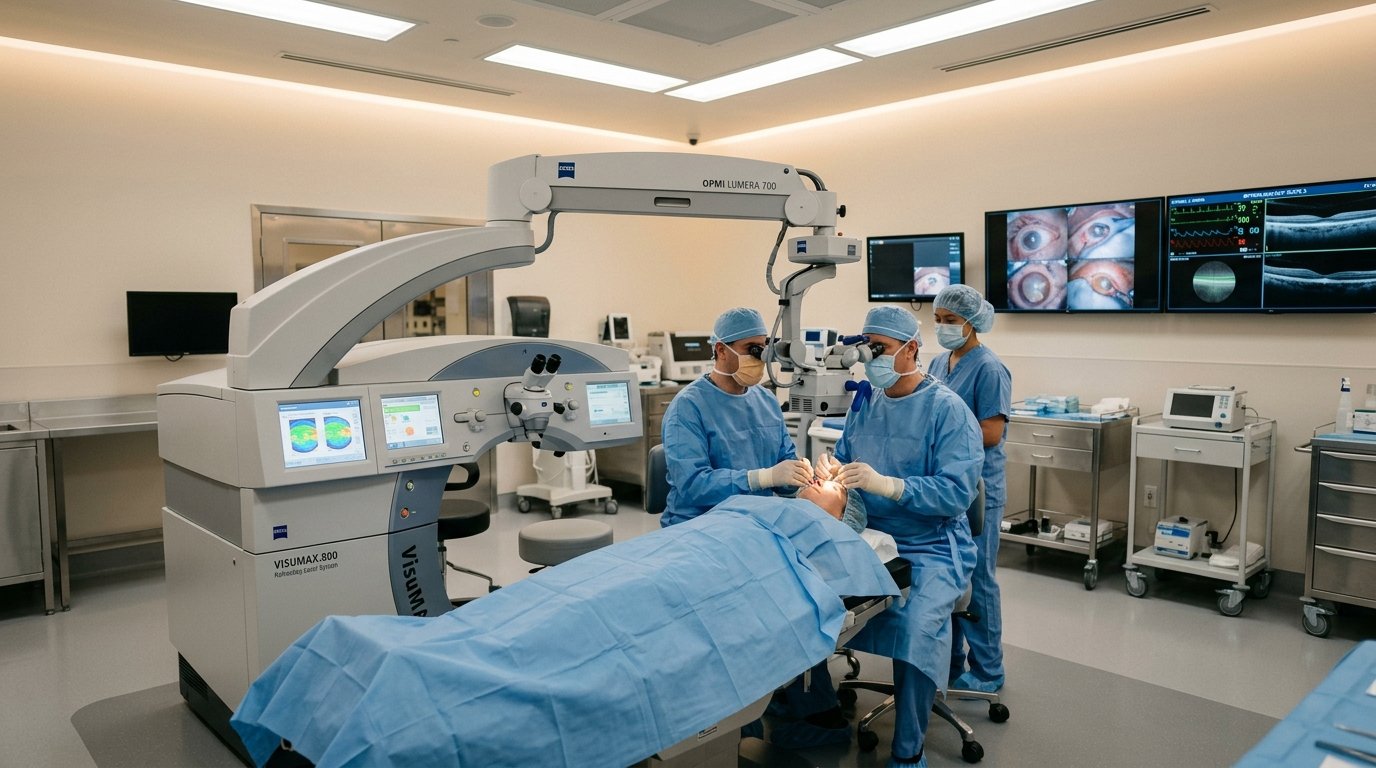
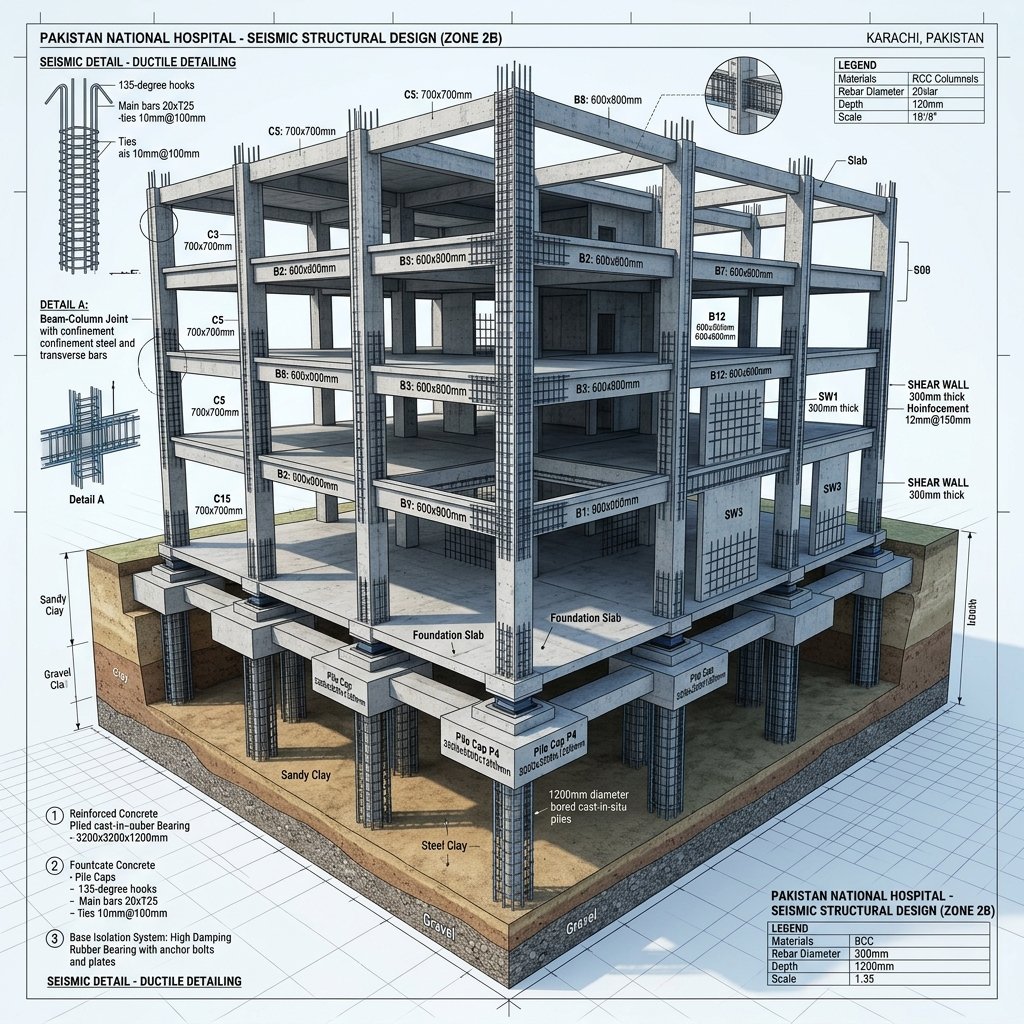
Unlike standard office blocks or residential flats, a hospital structure is designed to support heavy medical machinery and remain fully operational after major disasters like earthquakes. From heavy dead loads of MRI/CT scans to strict seismic resistance, **Hospital Structural Design in Pakistan** demands advanced structural modeling. ACCO provides complete structural design and civil execution services under building code requirements.
Critical Considerations in Hospital Structural Engineering
- Vibration Control & Stiffness: Heavy imaging machines like CT scans and MRIs are sensitive to building vibrations. Structural slabs must be designed with enhanced stiffness to eliminate micro-vibrations.
- Heavy Equipment Loading: An MRI machine can weigh over 5 to 7 tons. Wards designated for diagnostic imaging require localized slab thickening and reinforcement.
- Seismic Resilience (Disaster Recovery): Under the Building Code of Pakistan (BCP), hospitals are categorized as “essential facilities” (Importance Factor of 1.5), requiring them to resist earthquakes without structural damage.
Dead Load Specifications by Hospital Department
| Department | Design Live Load (lb/sqft) | Special Structural Requirement | Slab Thickness Target |
|---|---|---|---|
| MRI & CT Diagnostics | 250 – 350 lb/sqft | RF shielding, localized reinforcement | 10 – 12 inches |
| Operating Rooms | 150 lb/sqft | Ceiling boom anchors, minimal vibration | 8 inches |
| General Wards | 80 – 100 lb/sqft | Standard spans, MEP penetrations | 6 – 7 inches |
Structural Reinforcement Profile
Hospital Concrete Compressive Strength Target (PSI)
Expert Suggestions for Hospital Structural Planning
- Position Heavy Scans on Ground Floor: Whenever possible, locate MRI, CT, and radiotherapy bunkers on the ground floor or basement. This eliminates heavy structural slab requirements on upper floors.
- Incorporate Shear Walls: Integrate reinforced concrete shear walls around elevator shafts and stairwells to handle lateral seismic forces.
- Plan for MEP Openings: Coordinate beam/slab layouts with HVAC and piping designers early to avoid cutting structural concrete later.
Frequently Asked Questions (FAQs)
Q1: Why is an Importance Factor of 1.5 used for hospitals in earthquake design?
A: The building code multiplies earthquake forces by 1.5 to ensure hospitals survive severe tremors and remain open to treat incoming casualties.
Q2: What is MRI RF shielding?
A: Radio Frequency (RF) shielding utilizes copper or steel lining around the room to stop external radio signals from interfering with the MRI imaging process.
Design a Safe Hospital with ACCO
Secure a compliant, resilient structural design for your medical center. Contact ACCO Engineering to connect with our senior structural consultants today.
Connect with Structural Engineers
Ensure structural compliance and machinery load support with our experienced engineering team.