
Building Industrial Excellence with Expertise
Ceramic Factory
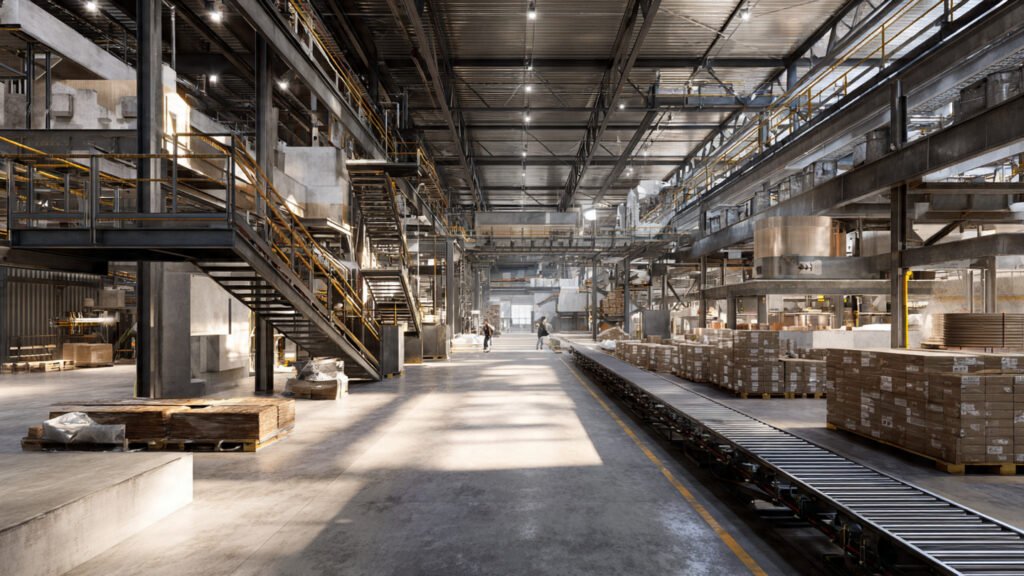
Ahmed Construction Company (ACCO) specializes in designing and constructing state-of-the-art ceramic factories that combine functionality, durability, and modern industrial aesthetics. Our team focuses on understanding the unique requirements of each factory, from workflow efficiency to safety standards.We take pride in delivering projects that are not only structurally robust but also optimized for operational efficiency. Whether it’s a new facility or an upgrade of an existing plant, our expertise ensures your ceramic production environment is built for long-term success.
#1 Ceramic Factory Construction Services in Pakistan | ACCO
Ceramic production is extremely tough on buildings. Therefore, standard factories often fail within months. Kilns run at over 1200°C. Heavy presses shake the floor constantly. Clay dust hangs in the air. Glaze chemicals can corrode surfaces. As a result, a standard building will crack, dust, or clog up quickly. You need a facility built specifically for these harsh conditions.
Ahmed Construction Company (ACCO) offers specialized Ceramic Factory Construction Services in Pakistan. For over 25 years, we have built robust industrial facilities across the country. Our notable clients include Meezan Bank, Bata, and BUITMS. They trust our engineering for high-stakes projects. Subsequently, we apply that same precision to ceramic manufacturing plants.
Our approach covers everything. We design heat-resistant kiln foundations to prevent cracking. We install heavy-duty flooring that withstands forklifts and impacts. Furthermore, we integrate dust control systems to keep the air clean. We also manage heavy electrical loads and process water treatment. Consequently, your factory runs reliably, produces high-quality tiles, and remains safe for workers.
Understanding Ceramic Factory Construction
Ceramic factories are not standard warehouses. They have unique requirements. The process involves mixing clay, pressing tiles, applying glaze, and firing in extreme heat. Each step places specific demands on the building structure and its systems.
In Pakistan’s ceramic industry, well-designed factories are essential for success. They help maintain consistent product quality. They also reduce downtime significantly. Moreover, they lower operating costs through better energy efficiency. As a result, leading manufacturers in Gujranwala and Lahore choose specialized builders for their facilities.
The Core Challenges of Ceramic Manufacturing
First, kilns generate immense heat. This heat can crack ordinary concrete foundations. Second, hydraulic presses create strong vibrations. These vibrations can loosen nearby equipment over time. Third, clay and glaze dust pose health and explosion risks. Finally, heavy forklifts wear down standard floors quickly.
How Specialized Construction Solves These Issues
Specialized construction addresses each challenge directly. Heat-resistant foundations use refractory concrete and insulation layers. Vibration-isolated press mounts protect the rest of the building. Centralized dust collection systems capture particles at the source. Furthermore, heavy-duty epoxy flooring resists abrasion and chemicals for years.
Why ACCO is the Right Choice for Your Factory
ACCO brings deep industrial experience to every project. Our team includes structural engineers, process MEP experts, and skilled construction managers. We work together from the first drawing to final handover. This integration prevents costly errors and delays.
Moreover, we understand the specific workflow of ceramic production. We know how raw materials move to ball mills. We understand the path from spray dryer to press to kiln. Therefore, we design the building layout to minimize wasted movement and handling.
A Trusted Name in Industrial Construction
We have successfully completed over 100 industrial projects nationwide. Our portfolio includes textile mills, food processing plants, and ceramic factories. Many clients return to us for expansions because they trust our quality and speed. Additionally, we are registered with the Pakistan Engineering Council (PEC).
Our Commitment to Quality and Safety
We never cut corners on materials or methods. We test concrete mixes, inspect steel reinforcement, and verify weld quality. We also enforce strict safety protocols on every site. As a result, our buildings stand strong for decades with minimal maintenance.
Our Complete Ceramic Factory Construction Services
We offer a full range of services tailored to ceramic manufacturing. You can choose a complete turnkey package or select specific components. Each service is designed to integrate seamlessly with your production equipment.
1. Heat-Resistant Kiln Foundations
Kilns are the heart of any ceramic plant. However, their extreme heat can destroy standard foundations. ACCO designs specialized bases that withstand temperatures over 1200°C. We use refractory concrete and add insulation layers. Furthermore, we create cooling air gaps to protect the main building structure. As a result, your kiln stays aligned and operates without cracks.
2. Heavy-Duty Factory Flooring
Your factory floor takes a daily beating from forklifts and heavy carts. Standard concrete will dust and crack within months. Consequently, we install industrial epoxy or polyurethane coatings. These systems resist abrasion, chemicals, and impact. They are also seamless, which makes cleaning easy and prevents dust buildup.
3. Integrated Dust Collection Systems
Clay and glaze dust are serious health hazards. They can also cause product defects. Therefore, we design central dust collection systems. These systems capture particles at every source, including ball mills, presses, and finishing lines. The result is cleaner air, safer workers, and higher quality tiles.
4. Process-Specific MEP (Mechanical, Electrical, Plumbing)
Ceramic factories need heavy power for motors and controls. They also need instrument-quality compressed air for automation. Additionally, the glaze line requires treated water and wastewater treatment. Our in-house MEP engineers specialize in these industrial systems. They ensure your power is reliable, your air is dry, and your waste is compliant with regulations.
Step-by-Step: How We Build Your Ceramic Factory
Building a ceramic factory is a complex process. However, we break it down into clear, manageable steps. This structure keeps your project on schedule and within budget.
Step 1: Consultation and Process Analysis
First, we meet with your production team. We discuss your product type, capacity goals, and equipment suppliers. Next, we analyze your material flow and space requirements. This step ensures we understand your specific needs before any design begins.
Step 2: Detailed Layout and Engineering
Our architects then create a optimized floor plan. We position the ball mills, spray dryer, presses, and kiln for efficient flow. Meanwhile, our engineers design the foundations, electrical systems, and dust collection network. We use 3D modeling to check for conflicts between pipes, ducts, and building steel.
Step 3: Permitting and Approvals
We handle all the required paperwork. This includes environmental permits for dust and wastewater. It also includes building permits and fire safety approvals. Our experience with local authorities speeds up this process significantly.
Step 4: Construction and Equipment Installation
Our team then begins site work. We pour foundations, erect the steel structure, and install the roof and walls. We also install the dust collection ductwork and electrical systems. Finally, we coordinate with your equipment suppliers to set the kiln, presses, and other machinery in place.
Step 5: Testing and Handover
Before you start production, we test every system. We check the dust collection airflow, the compressed air purity, and the electrical load capacity. We also verify the floor flatness and the kiln foundation alignment. After you approve, we hand over the keys and all maintenance manuals.
Why Pakistani Ceramic Manufacturers Prefer ACCO
Local manufacturers face unique challenges. The climate is hot and dusty. Power outages can occur. Skilled labor is valuable. ACCO designs factories that perform well under these real-world conditions.
We incorporate backup power systems for critical controls. We specify dust-tight electrical panels. We design floors that stay clean with regular sweeping. As a result, your factory keeps running even when conditions are tough.
Proven Results Across the Ceramic Hub
We have successfully delivered projects in Gujranwala, Lahore, and Sheikhupura. Our clients include tile manufacturers and sanitary ware producers. Many of them have returned to us for multiple expansions. They know we deliver on our promises without hidden costs.
Clear Communication and Transparent Pricing
We provide fixed-price contracts with detailed scopes. Consequently, there are no surprise charges. Our project managers update you weekly with progress reports and photos. For international clients, we offer video walkthroughs and remote consultations.
Frequently Asked Questions
1. What is architectural engineering and why does my ceramic factory need it?
Architectural engineering applies building science to real-world structures. For a ceramic factory, it means designing foundations that resist heat, floors that resist wear, and systems that capture dust. Without it, your building will fail prematurely.
2. How do I get a floor plan designed for my ceramic factory?
Simply contact ACCO via phone or our website. We will schedule a consultation with your team. Our architects will then create a process-driven layout based on your equipment and workflow.
3. What is the difference between architectural design and structural engineering for a factory?
Architectural design focuses on layout, workflow, and space. Structural engineering focuses on foundations, beams, and floors that can handle heavy loads. Both are essential. ACCO provides both services in-house.
4. Do you provide 3D walkthroughs before construction?
Yes, absolutely. We create a detailed 3D model of your factory. You can see the flow of materials from raw storage to finished goods. This helps you catch issues before we break ground.
5. Can ACCO build commercial plazas or hospitals as well as factories?
Yes, our portfolio includes commercial and healthcare projects. However, ceramic factory construction is a deep specialization due to the unique demands of kilns, dust, and heavy equipment.
6. How long does it take to build a ceramic factory in Pakistan?
A complete new facility typically takes 12 to 18 months. This timeline includes design, permitting, construction, and equipment installation. Timelines can be shorter for expansions.
7. Do you handle environmental approvals for ceramic factories?
Yes, we manage the entire approval process. This includes EPA NoCs for air emissions and wastewater discharge. We also coordinate with fire and building authorities.
8. How much does a ceramic factory cost to build?
Costs vary based on size, automation level, and finishing. A basic tile factory might start around PKR 5,000 per square foot. A large automated plant can exceed PKR 12,000 per square foot. Contact us for a detailed quote based on your specific needs.
Ready to Build a Reliable Ceramic Factory?
Do not trust your production facility to general contractors. They lack the specialized knowledge for kiln foundations, dust control, and heavy-duty flooring. Choose a partner who understands the ceramic process from clay to finished tile.
ACCO delivers turnkey factories designed for productivity and safety. We manage everything from the first sketch to the final handover. Therefore, you can focus on making high-quality ceramics while we handle the construction.
Let us build a factory that serves your business for decades. Call us today at +92 322 800 0190 or email info@acco.com.pk to schedule your free consultation. Visit our Lahore office in Gulberg-III or our Karachi branch. We serve ceramic manufacturers nationwide and internationally.