
Revolutionizing Healthcare Infrastructure: The Future of Hospital Design and Construction in Lahore
As the healthcare sector continues to evolve, the importance of well-designed and constructed hospitals cannot be overstated. In Lahore, the demand for modern medical facilities is on the rise, driven by the city’s growing population and increasing healthcare needs. In this blog post, we’ll delve into the world of hospital design and construction, exploring the latest trends, technologies, and best practices that are shaping the future of healthcare infrastructure in Lahore. From Pre-Engineered Buildings (PEB) steel sheds to Building Information Modeling (BIM), we’ll cover it all, providing valuable insights and actionable information for architects, engineers, contractors, and healthcare professionals.
Introduction to Modern Hospital Architecture Design
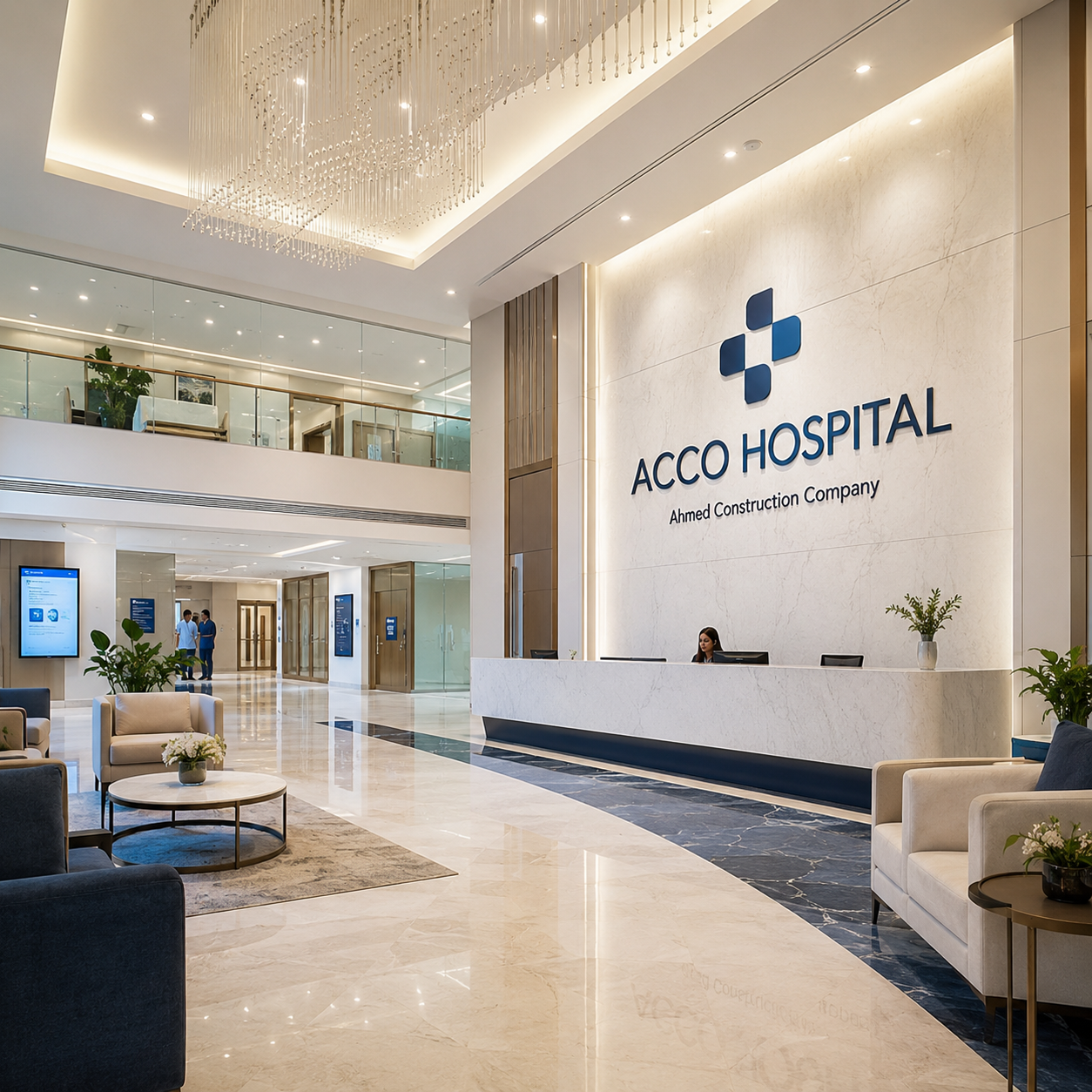
Modern hospital architecture design is all about creating functional, efficient, and patient-centric spaces that promote healing and well-being. In Lahore, hospitals are being designed with a focus on sustainability, energy efficiency, and infection control. The use of natural light, ventilation, and green spaces is becoming increasingly popular, as these elements have been shown to have a positive impact on patient outcomes and staff morale. When it comes to hospital design, it’s essential to consider the needs of different stakeholders, including patients, families, and healthcare professionals. A well-designed hospital should have a clear and intuitive layout, with easy navigation and wayfinding. This can be achieved through the use of digital signage, clear signage, and intuitive floor plans. In terms of construction, materials and techniques are being chosen for their durability, low maintenance, and resistance to infection. PEB steel sheds, for example, are being used for their speed of construction, cost-effectiveness, and flexibility.
Construction and Design Considerations for Hospitals
When it comes to hospital construction, there are several key considerations that must be taken into account. These include the design of the hospital’s MEP (mechanical, electrical, and plumbing) systems, the layout of the hospital’s beds and departments, and the construction of the hospital’s building envelope. In Lahore, hospitals are being designed with a focus on energy efficiency, water conservation, and waste management. The use of renewable energy sources, such as solar and wind power, is becoming increasingly popular, as is the use of energy-efficient lighting and HVAC systems. In terms of hospital bed layout planning, it’s essential to consider the needs of different patient groups, including those with infectious diseases, those who require intensive care, and those who are undergoing surgery. The design of the hospital’s OT block is also critical, with a focus on creating a sterile and efficient environment that promotes patient safety and reduces the risk of infection. When it comes to hospital construction cost estimation, it’s essential to consider all the factors that can impact the project’s budget, including the cost of materials, labor, and equipment.
Innovative Solutions for Hospital Design and Construction
In recent years, there have been several innovative solutions that have emerged in the field of hospital design and construction. One of these is the use of Building Information Modeling (BIM), which allows architects, engineers, and contractors to create detailed digital models of hospital buildings and their systems. BIM can be used to simulate different design scenarios, identify potential problems, and optimize building performance. Another innovative solution is the use of PEB roofing systems, which provide a durable, low-maintenance, and energy-efficient alternative to traditional roofing materials. In terms of hospital emergency department design, there is a growing trend towards creating flexible, modular spaces that can be easily adapted to meet changing patient needs. The use of digital technologies, such as telemedicine and electronic health records, is also becoming increasingly popular, as these can help to improve patient outcomes, reduce wait times, and enhance the overall efficiency of hospital operations. When it comes to construction project management, it’s essential to have a clear understanding of the project’s scope, schedule, and budget, as well as the roles and responsibilities of different team members.
Best Practices for Hospital Construction and Design
When it comes to hospital construction and design, there are several best practices that should be followed. These include the use of evidence-based design principles, the creation of patient-centered spaces, and the incorporation of sustainable and energy-efficient systems. In Lahore, hospitals are being designed with a focus on infection control, patient safety, and staff well-being. The use of antimicrobial materials, touchless fixtures, and advanced air filtration systems can help to reduce the risk of infection and promote a healthy environment. In terms of residential construction, there are several best practices that can be applied to hospital design, including the use of durable, low-maintenance materials and the creation of functional, efficient spaces. The design of commercial buildings, such as hospitals, requires a deep understanding of the needs of different stakeholders, including patients, families, and healthcare professionals. By following best practices and staying up-to-date with the latest trends and technologies, architects, engineers, and contractors can create hospitals that are safe, efficient, and effective, and that provide high-quality care to patients.
In conclusion, the design and construction of hospitals in Lahore is a complex and multifaceted process that requires a deep understanding of the needs of different stakeholders, including patients, families, and healthcare professionals. By incorporating innovative solutions, such as PEB steel sheds, BIM, and digital technologies, hospitals can be designed and constructed to promote patient safety, reduce infection, and enhance overall efficiency. Whether you’re an architect, engineer, contractor, or healthcare professional, we hope that this blog post has provided you with valuable insights and actionable information that you can apply to your next hospital design and construction project. Remember to stay up-to-date with the latest trends and technologies, and to always follow best practices in hospital construction and design. By working together, we can create hospitals that are safe, efficient, and effective, and that provide high-quality care to patients in Lahore and beyond.
Post a Comment
You must be logged in to post a comment.